UI/UX Designer
2022

EIDA Energy helps people manage their solar, battery, and consumption data in one place. The core problem: the data exists, but it's scattered and hard to act on. My job was to make it readable and useful.
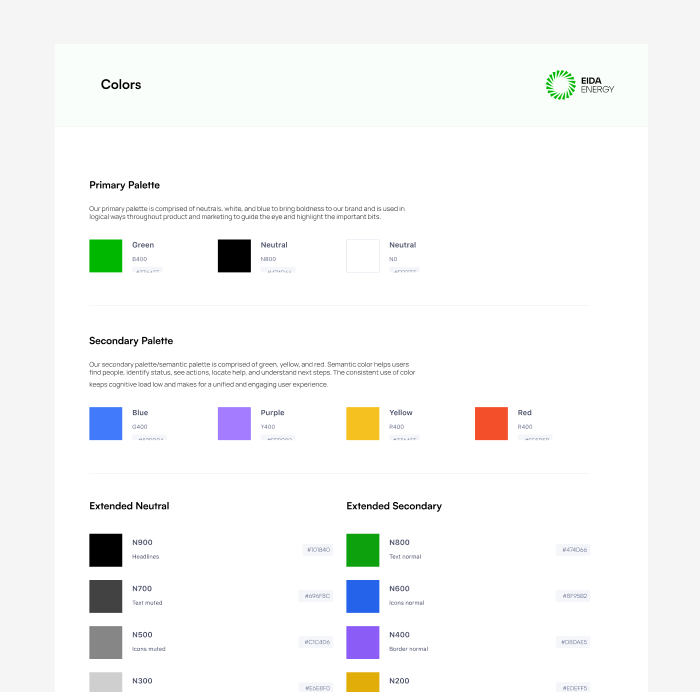
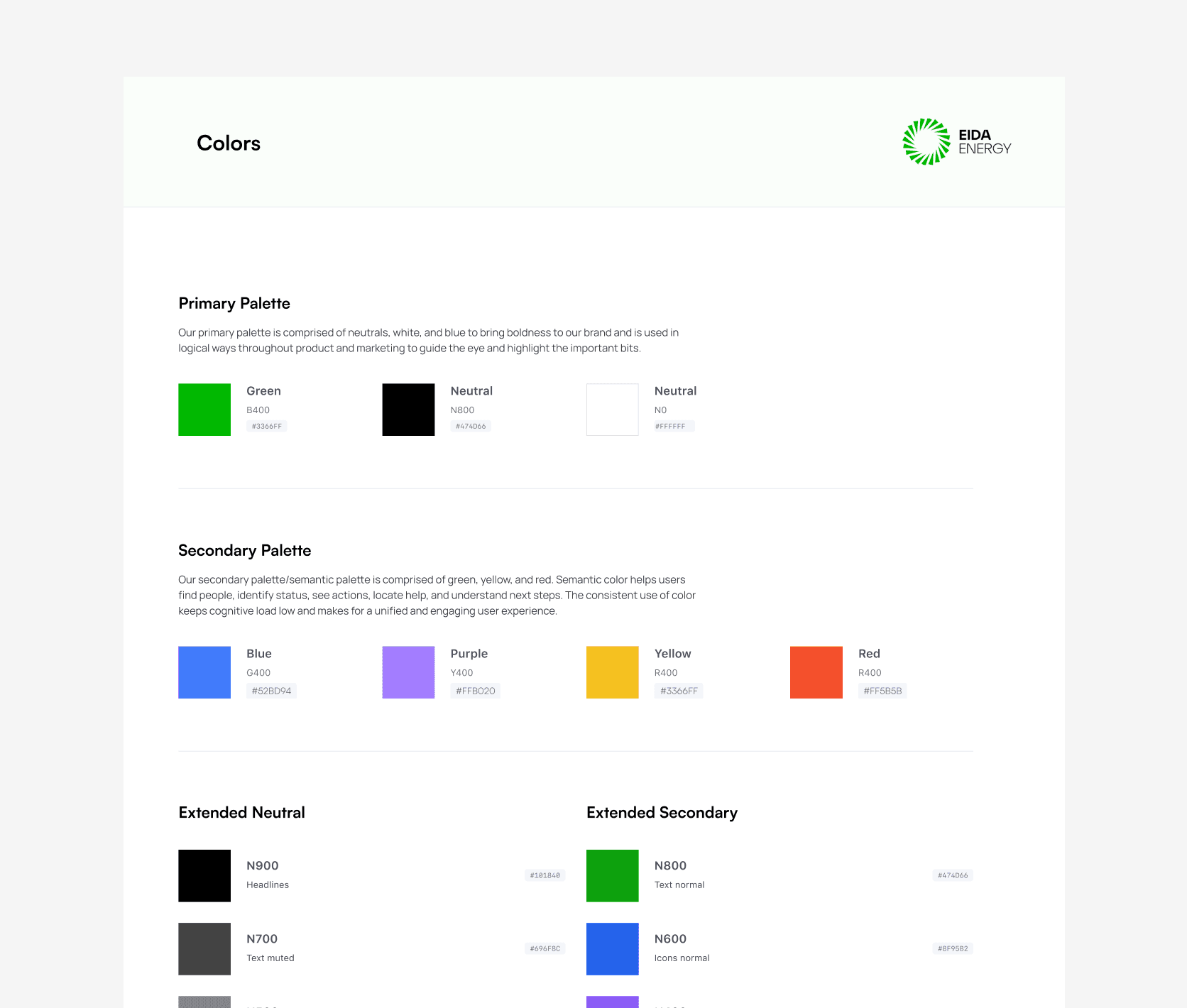
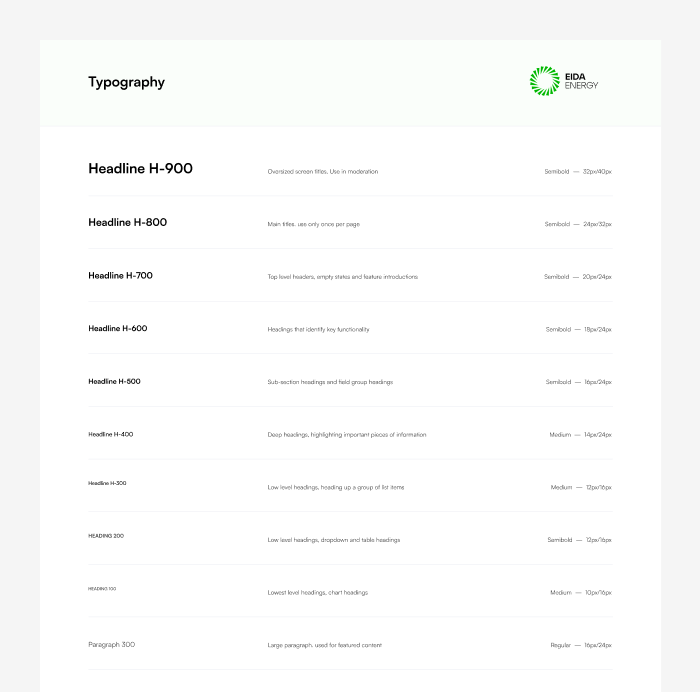
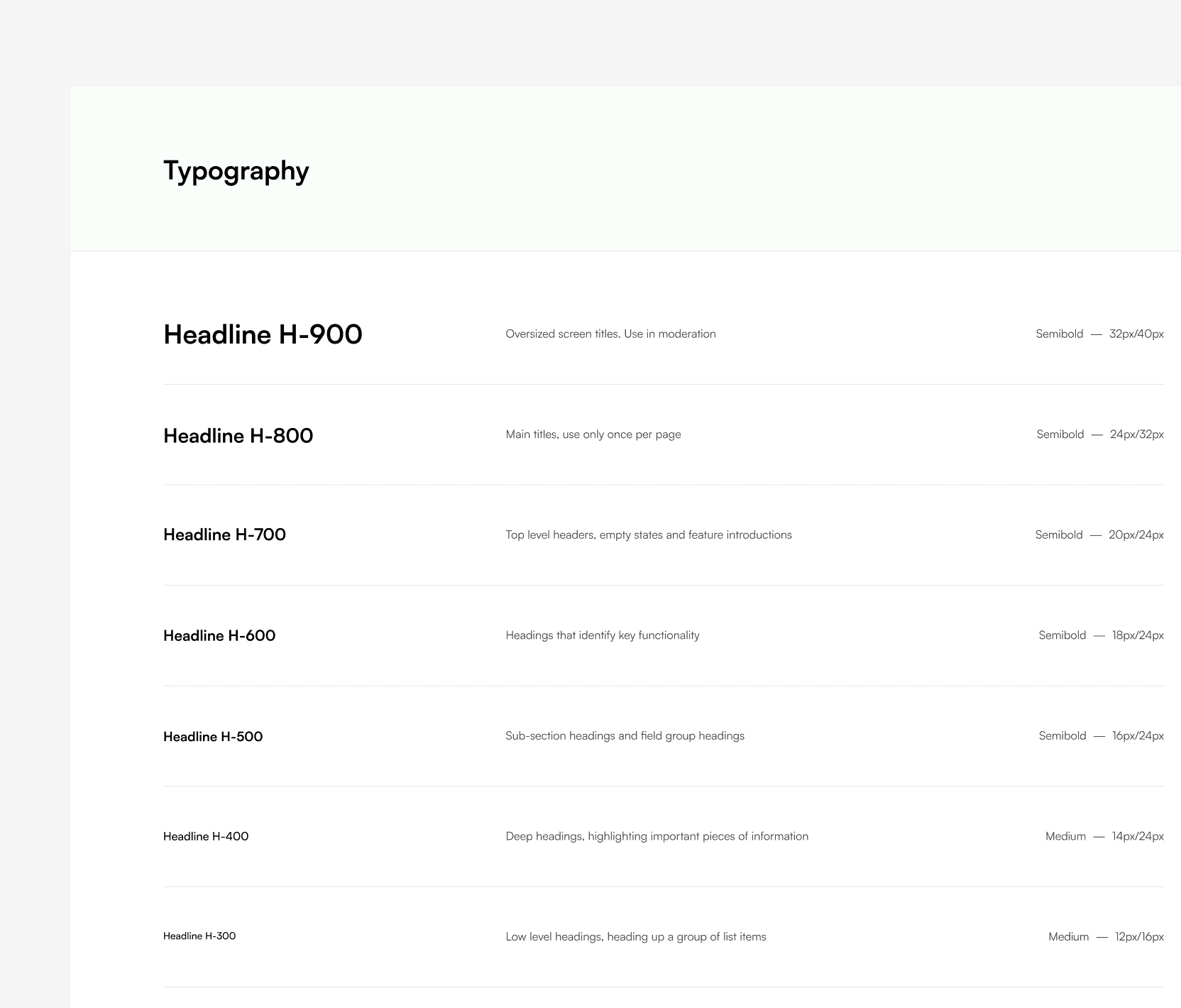
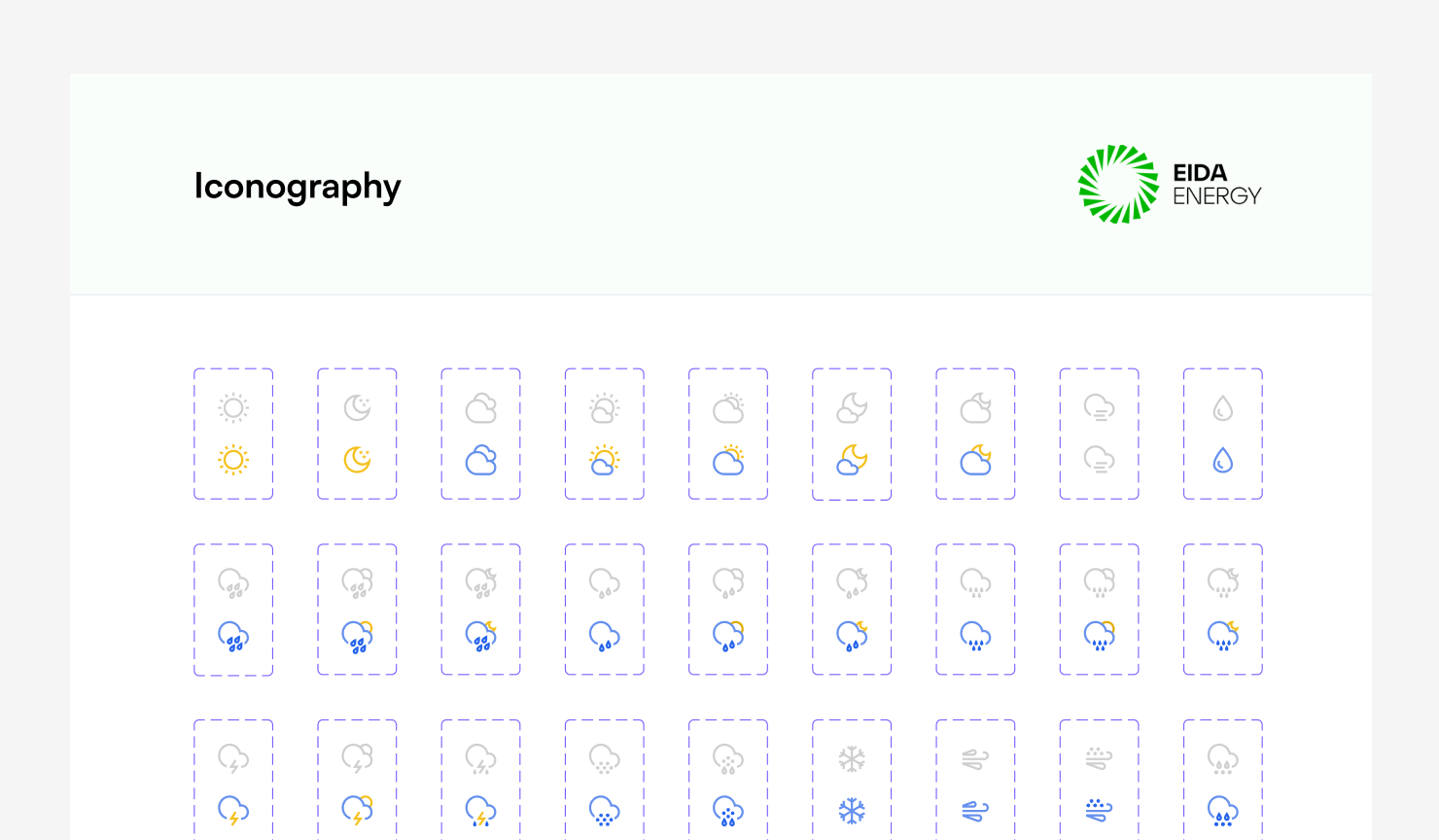
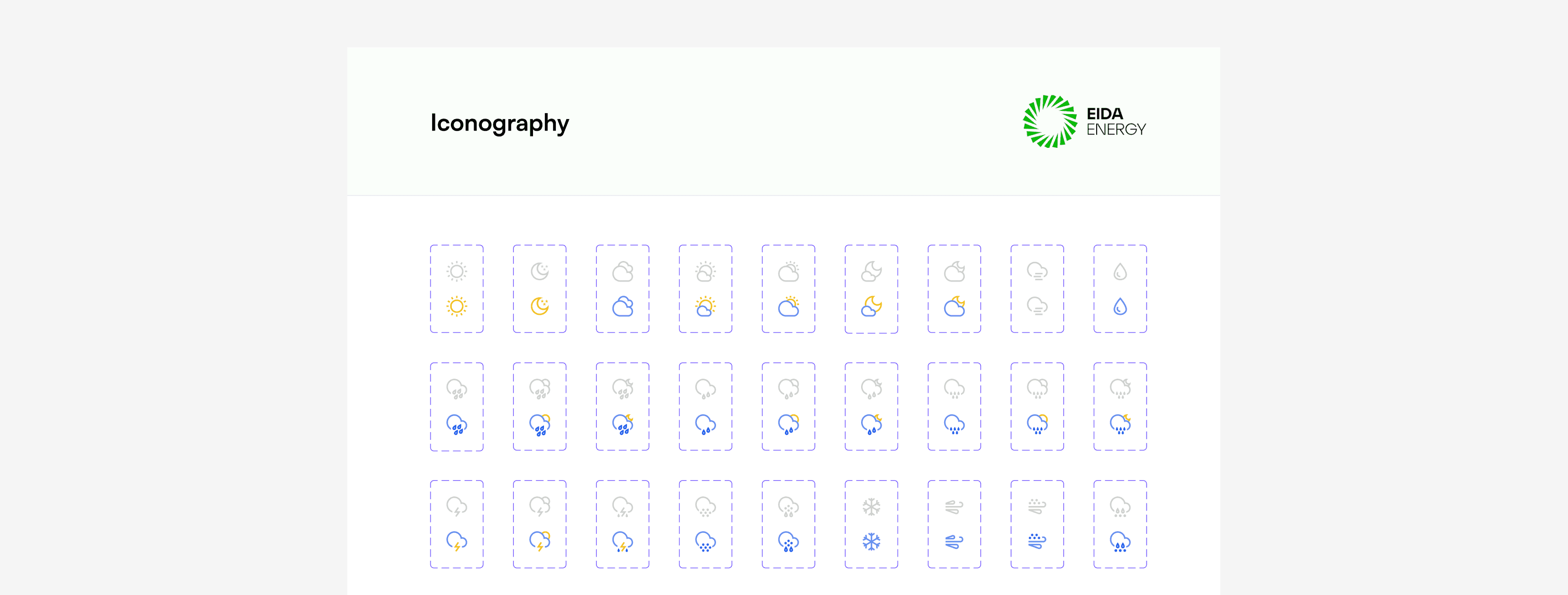
Before designing the product, I built a visual styleguide, colors, typography, iconography. Having that foundation early made the rest of the work a lot more consistent.
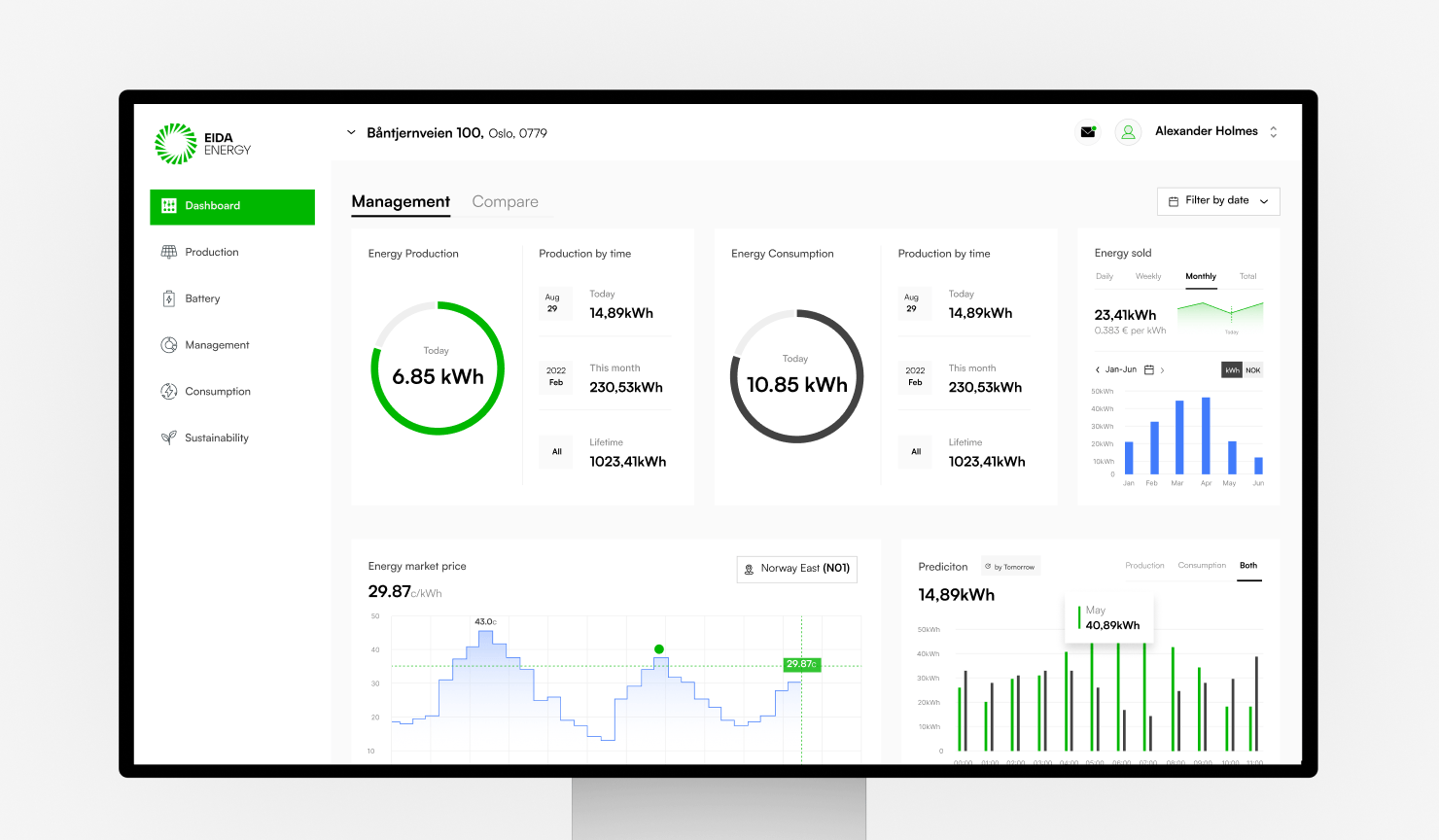
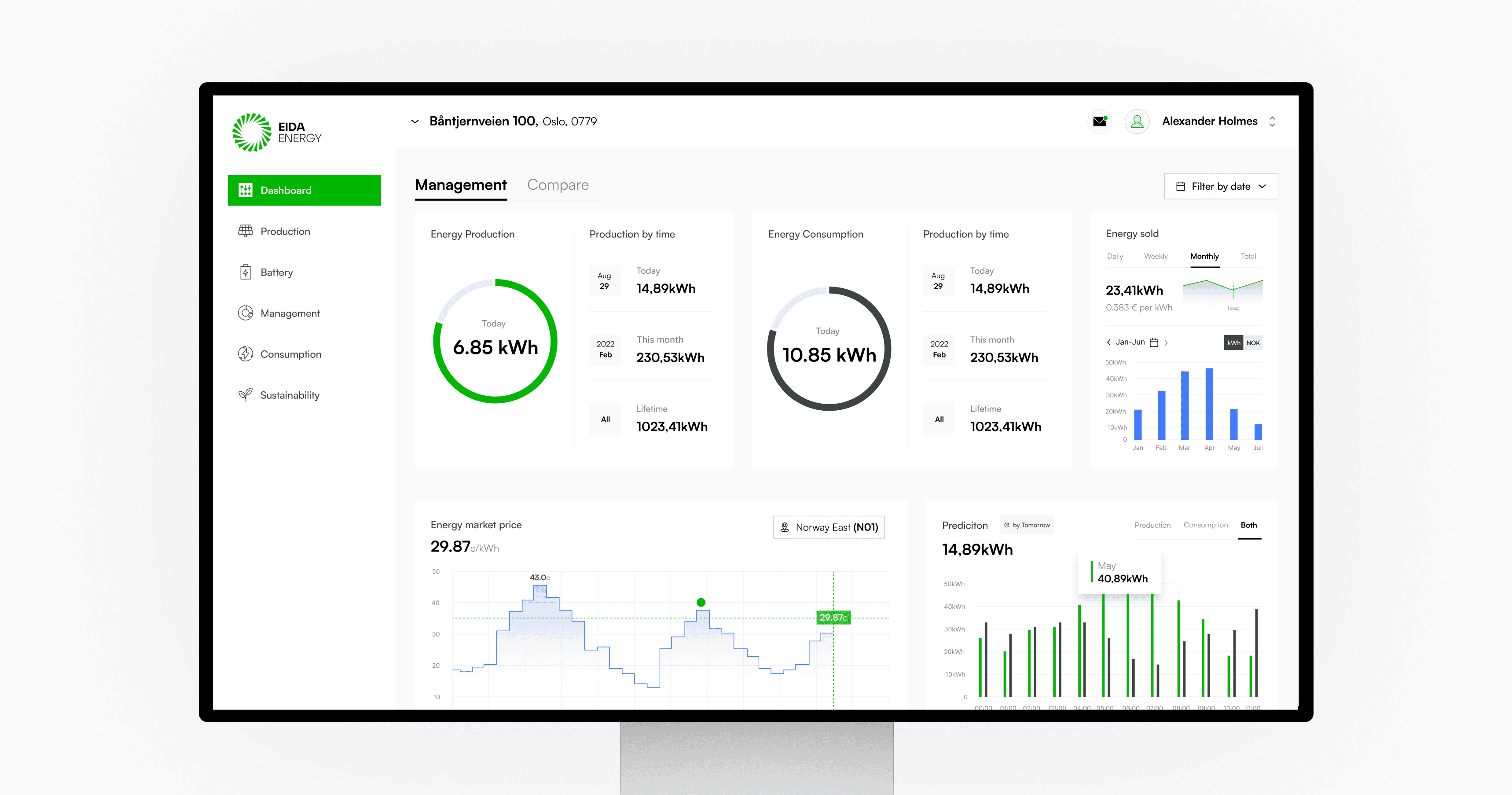
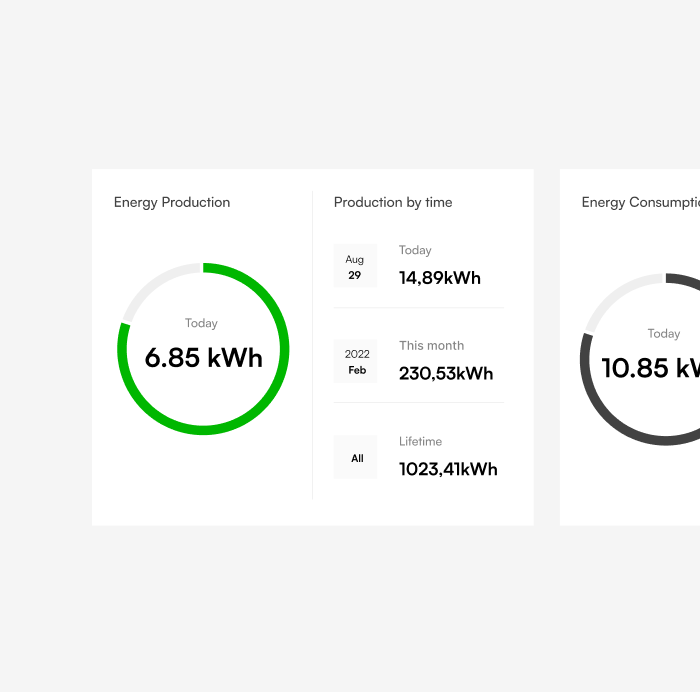
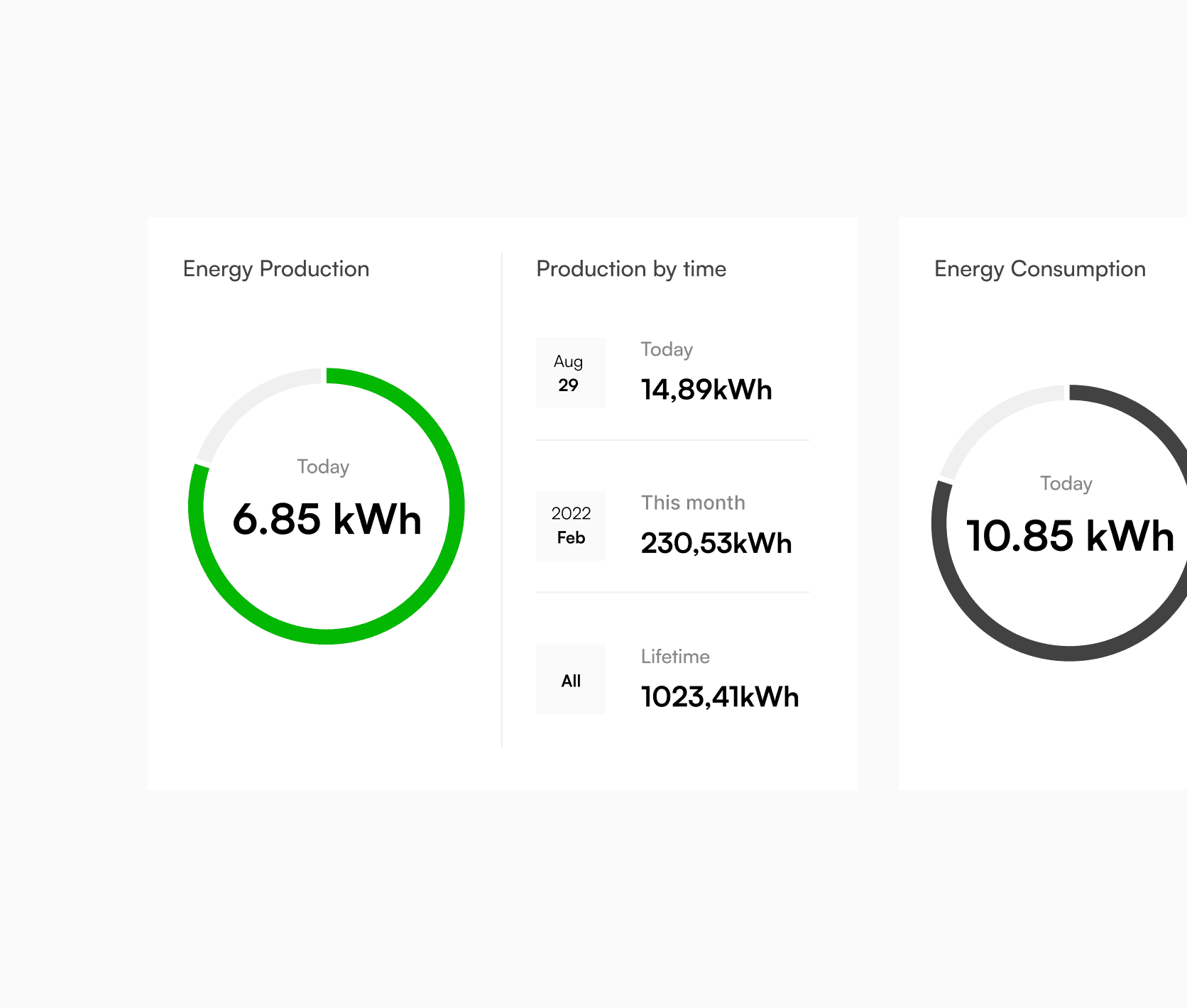
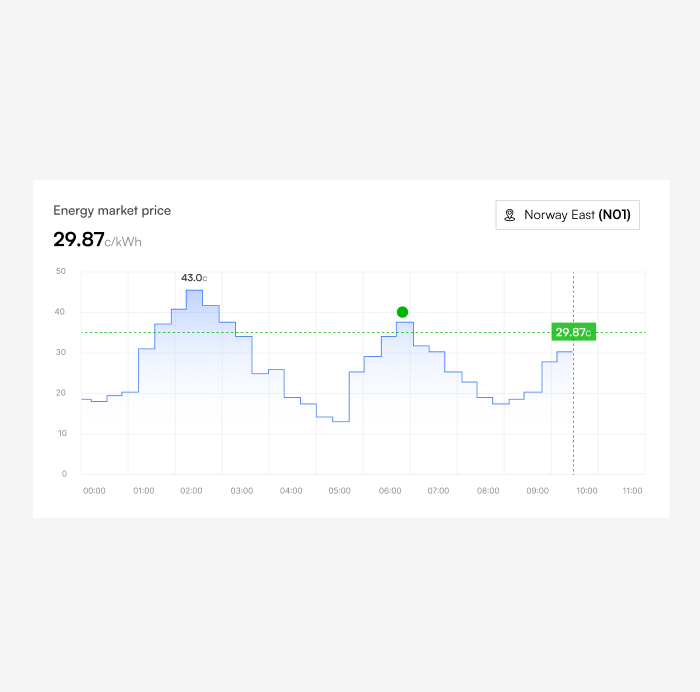
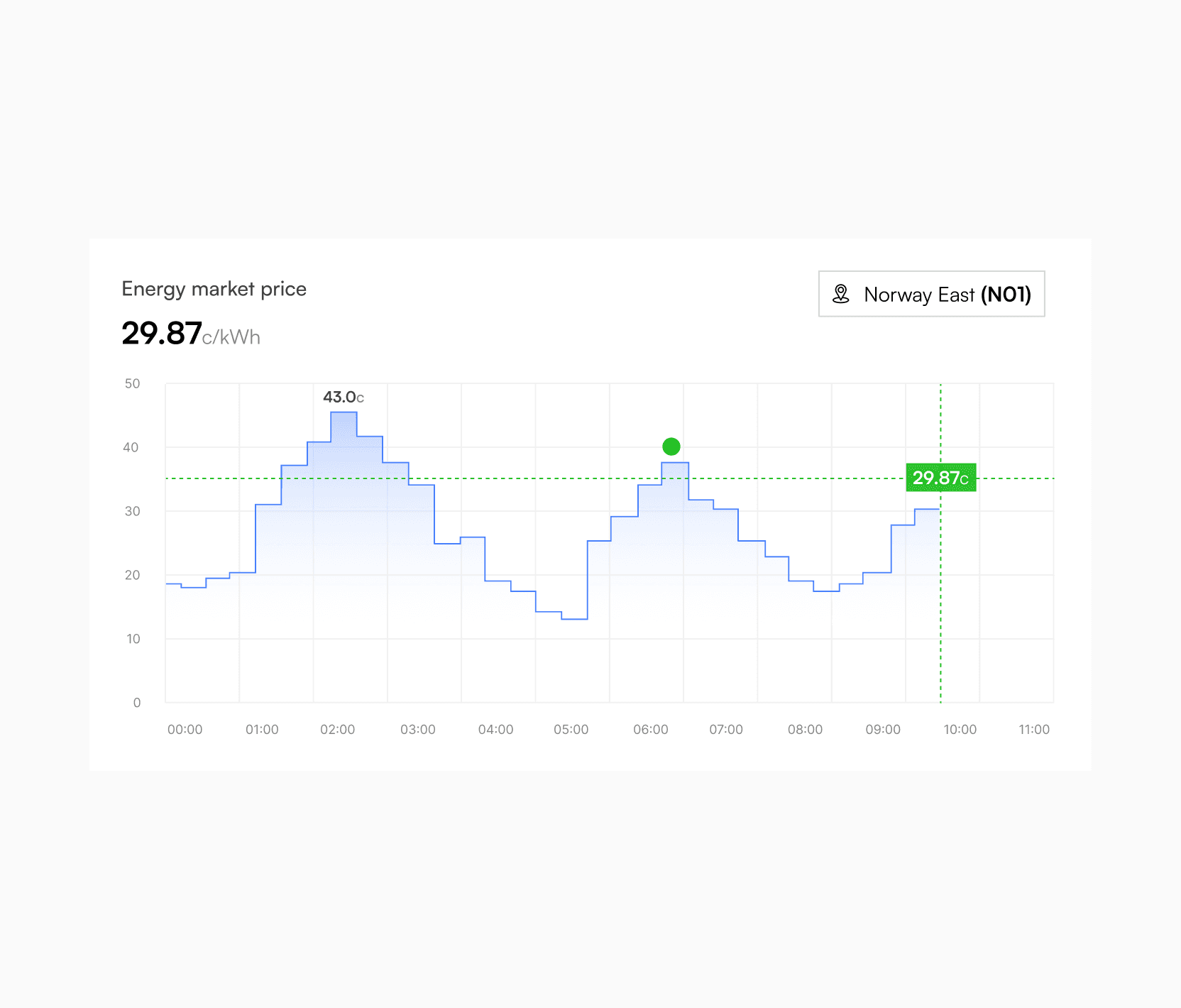
Too much data, spread across too many places. I centralized the key metrics into a single dashboard so users could actually see what was happening with their energy at a glance.
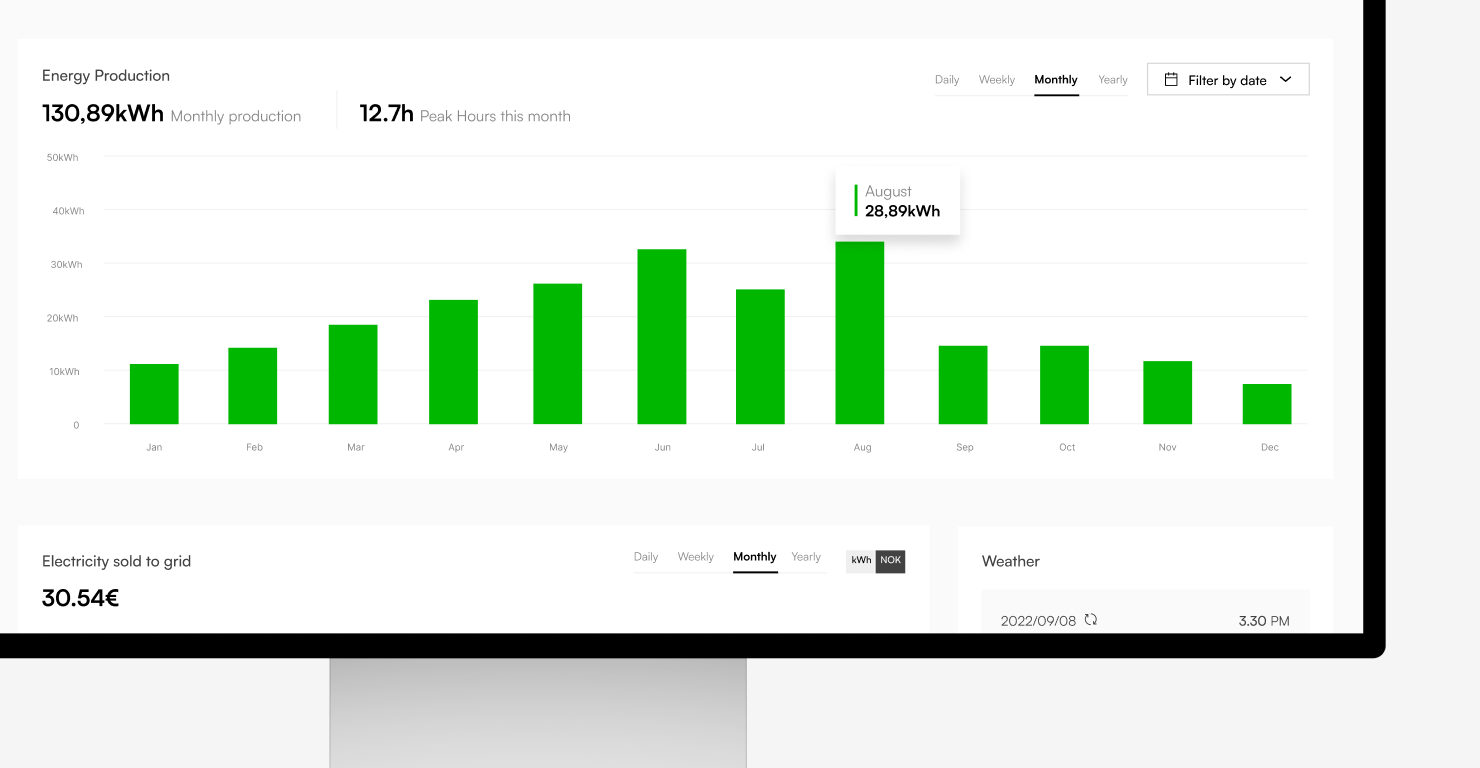
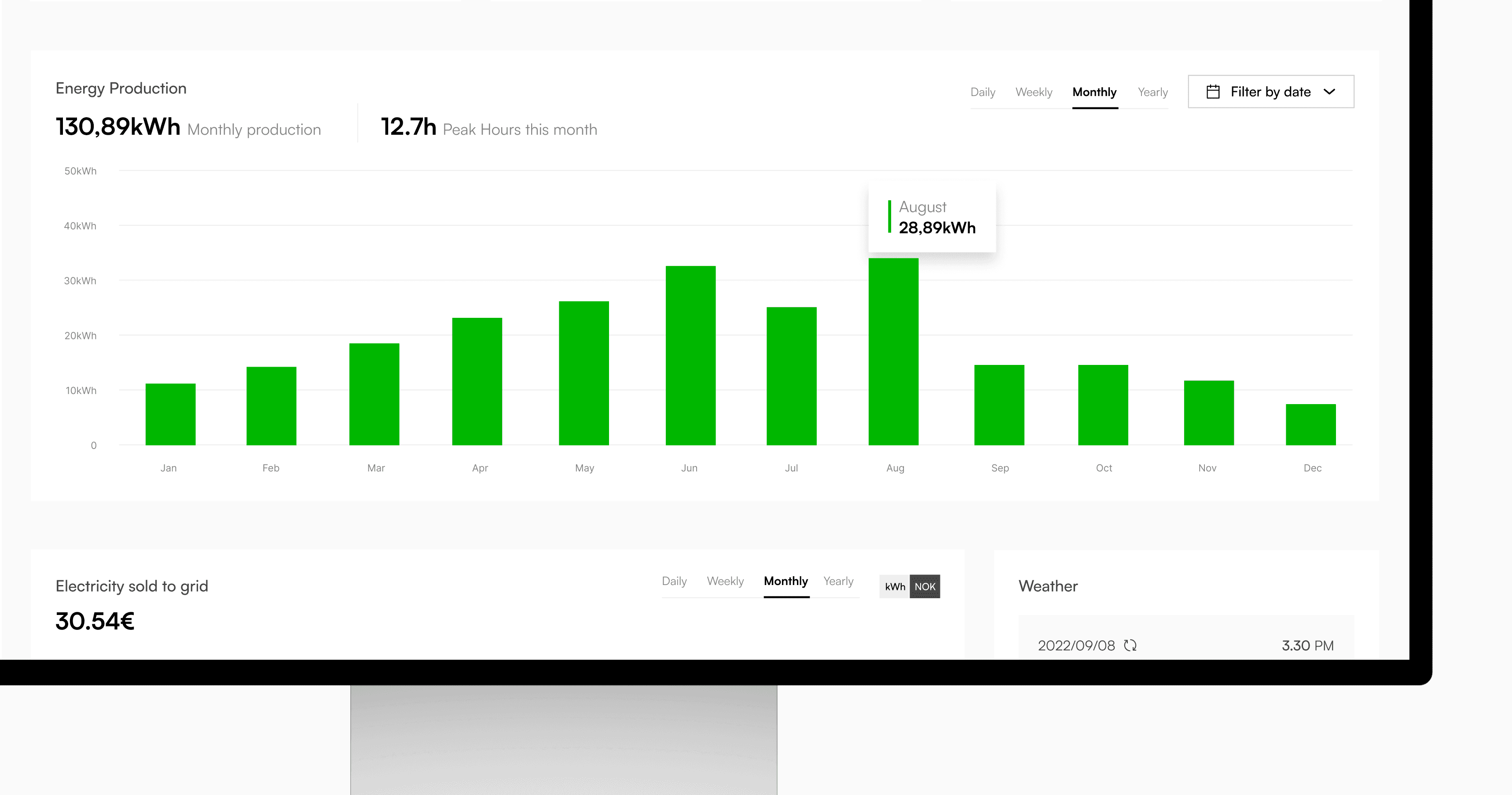
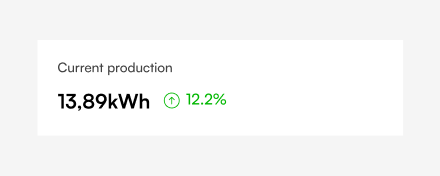
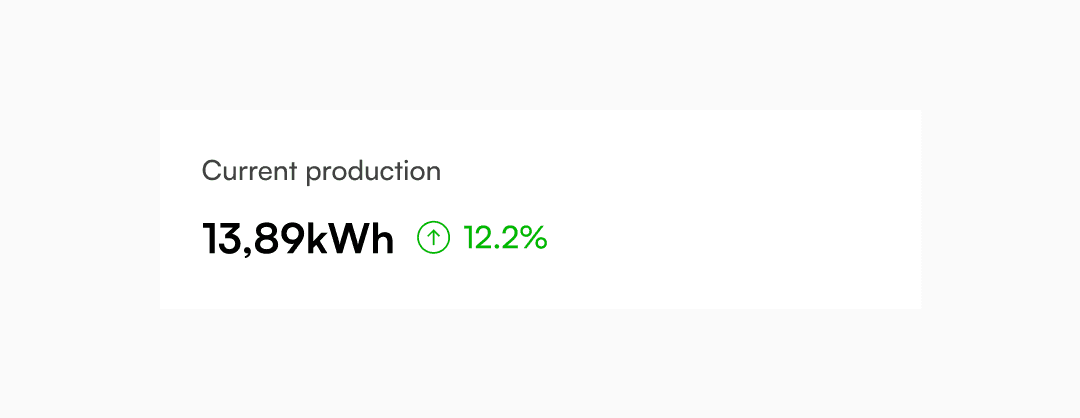
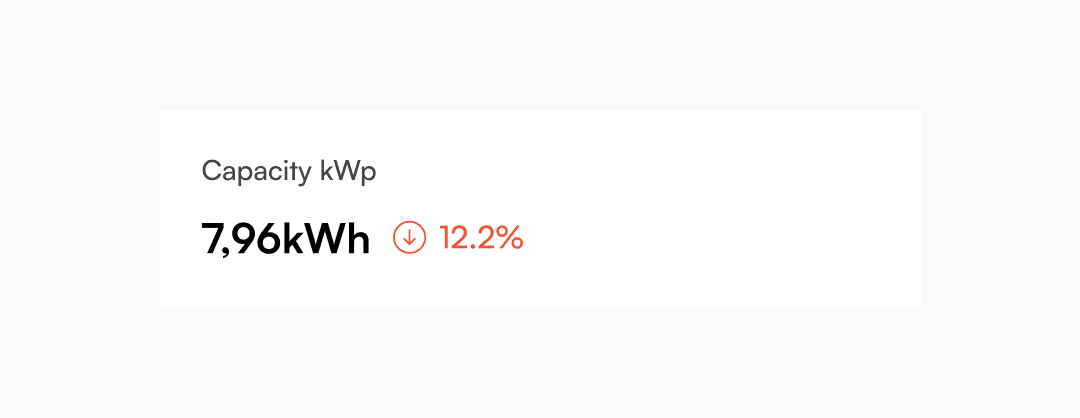
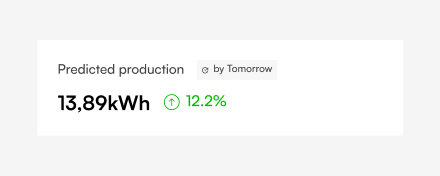
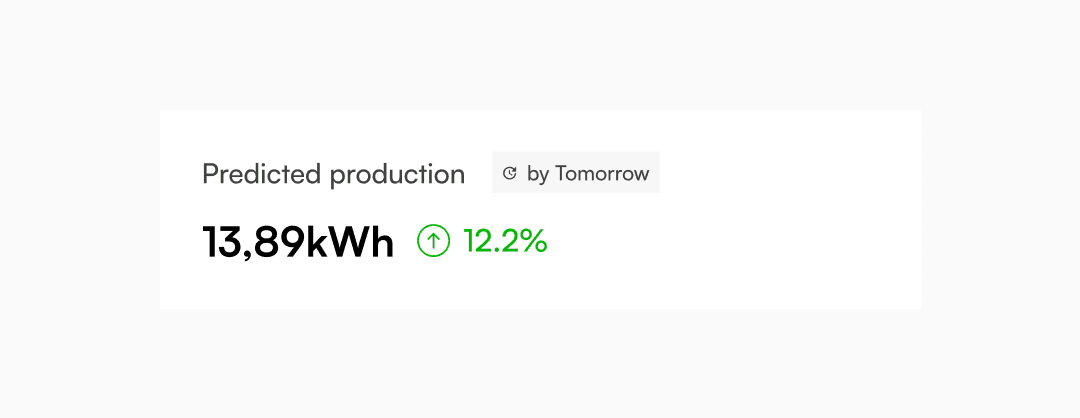
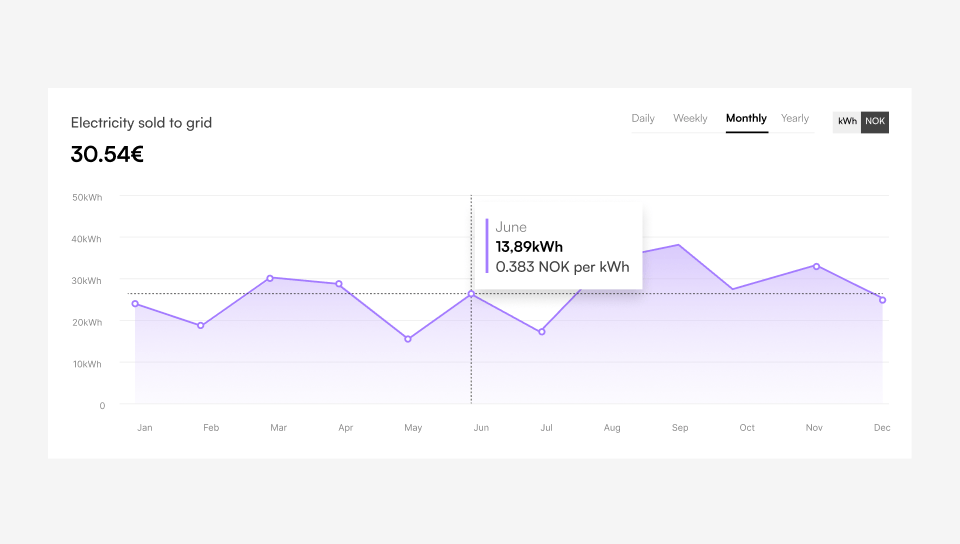
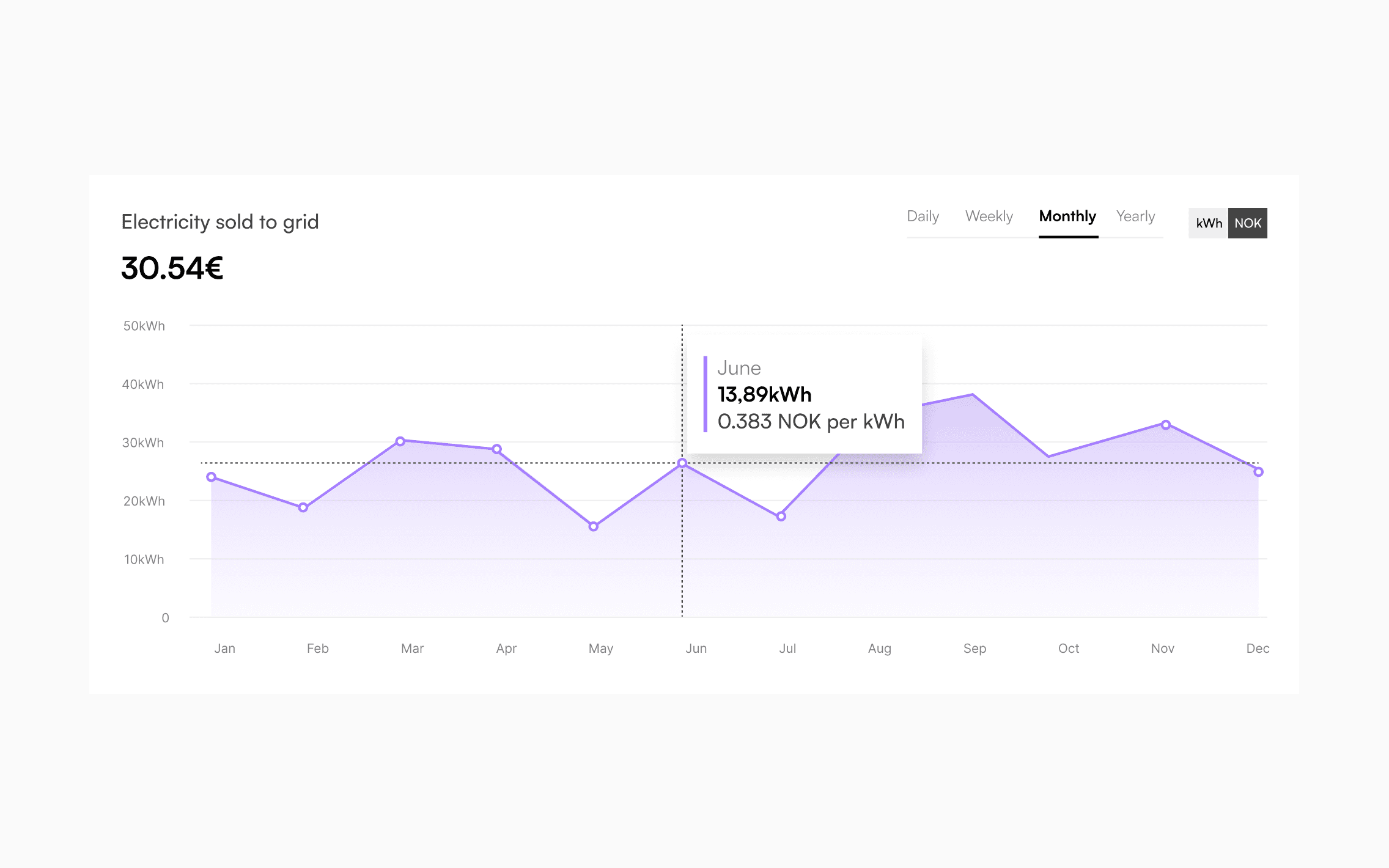
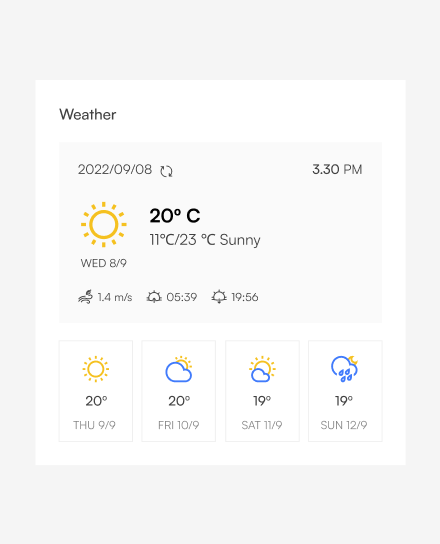
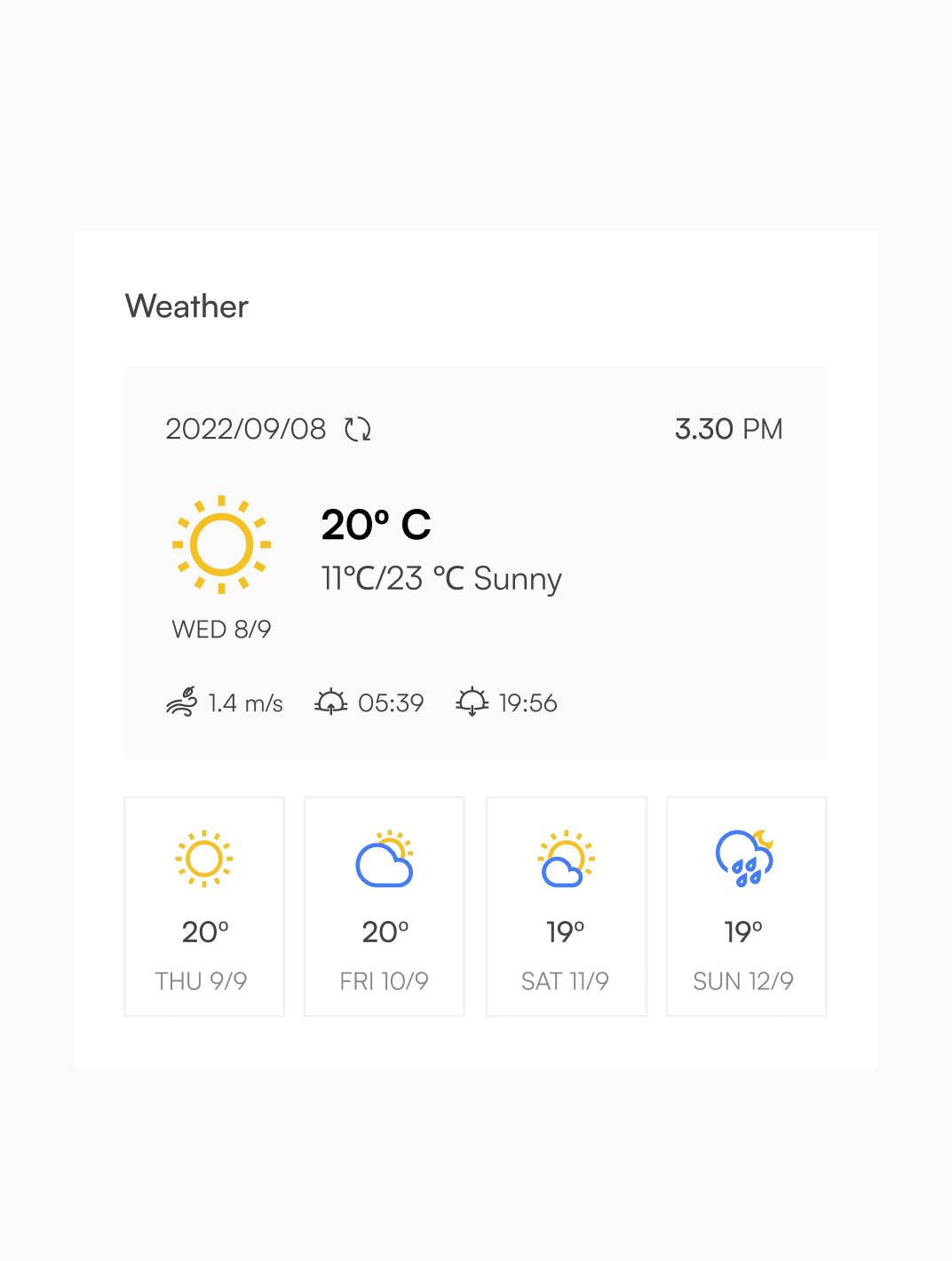
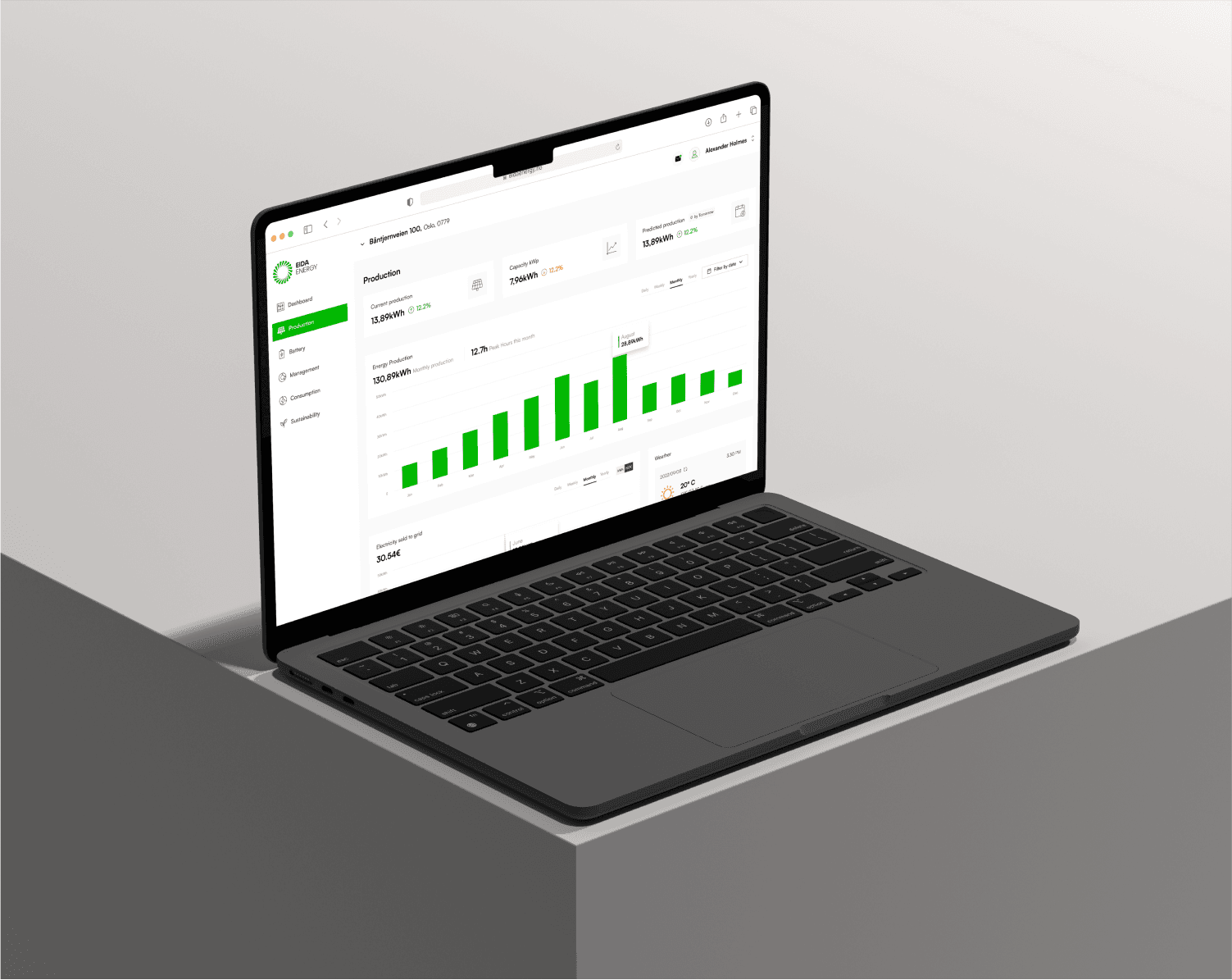
Users had no clear way to see production trends or where they were headed. I designed a section that shows both current output and forward-looking projections, giving people something to actually act on.
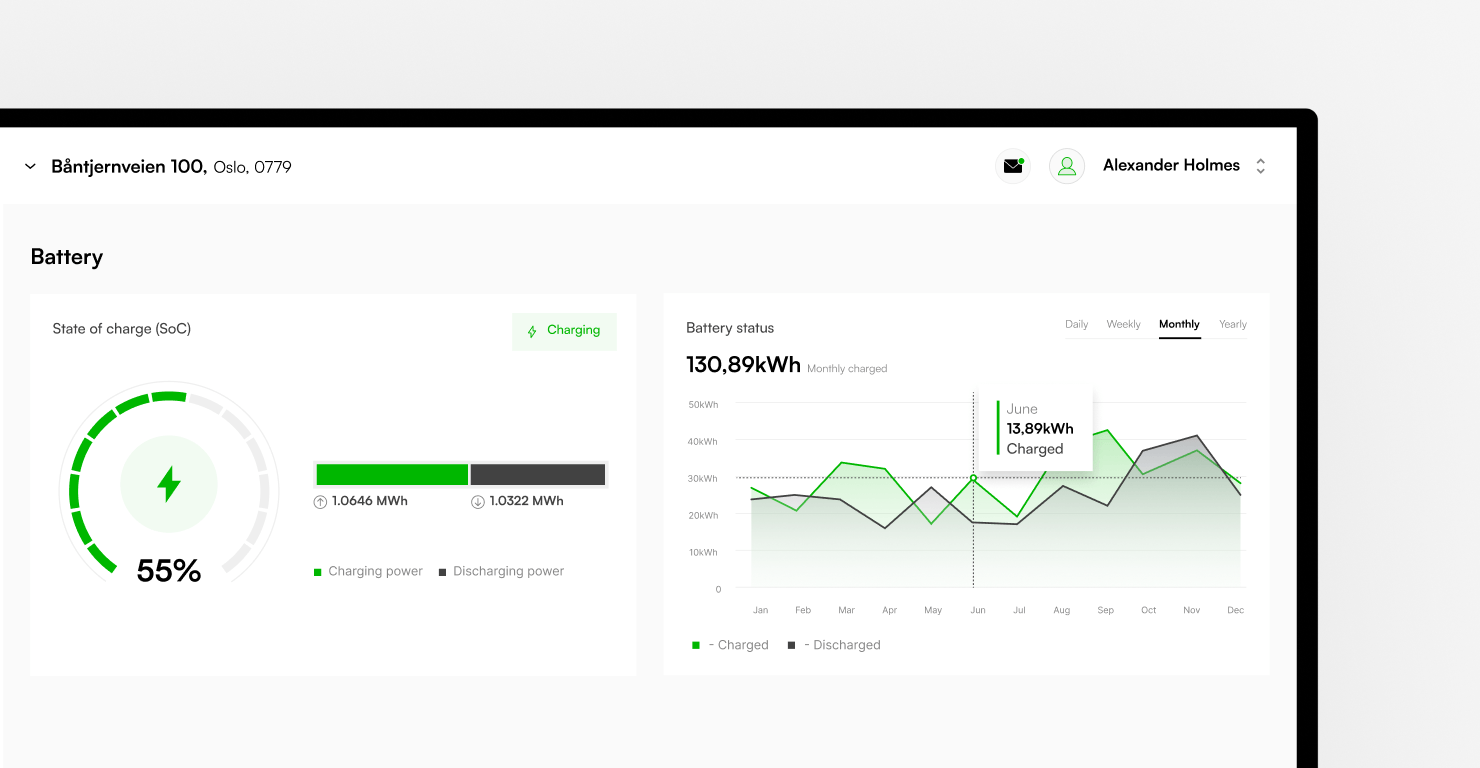
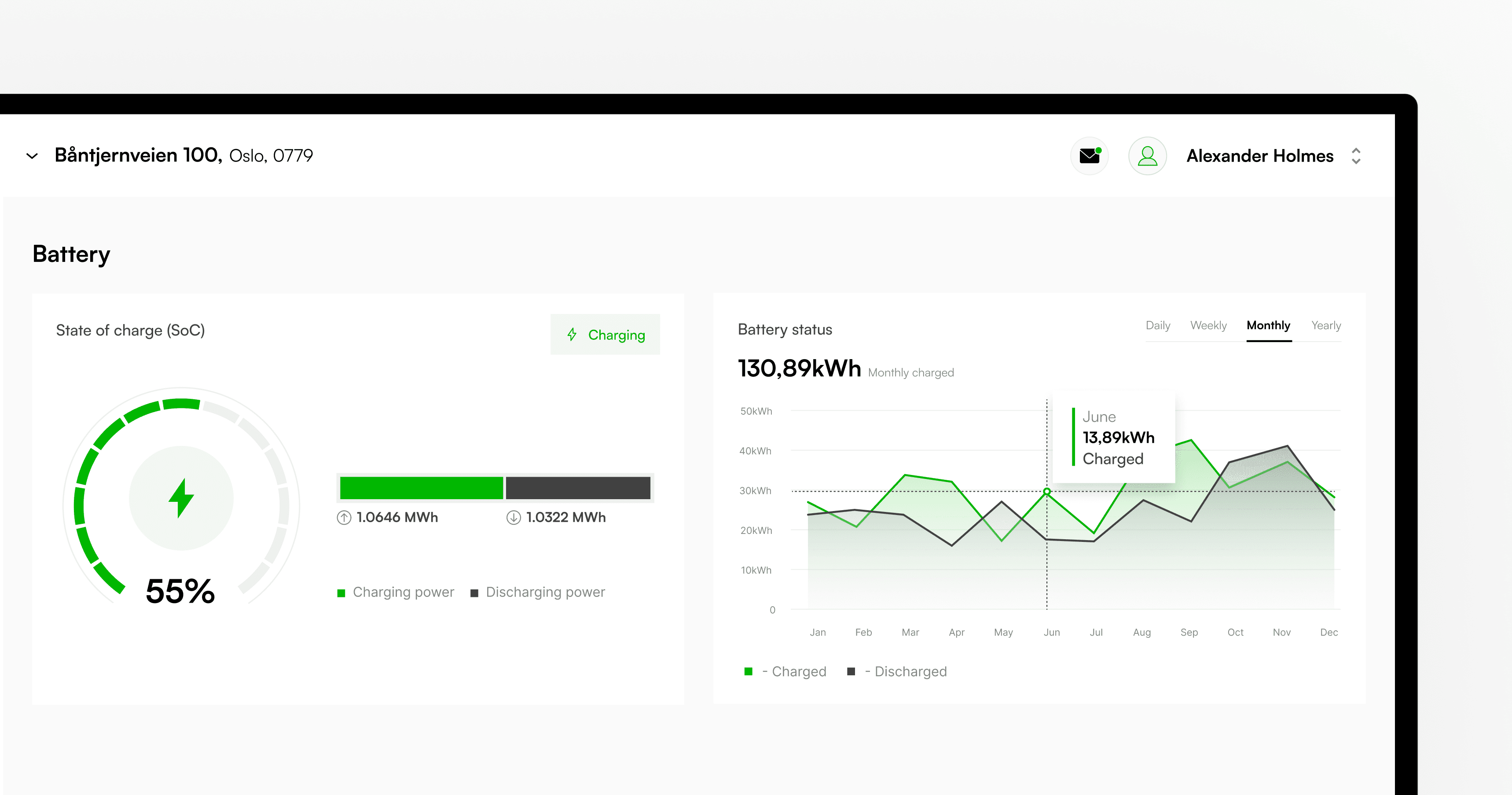
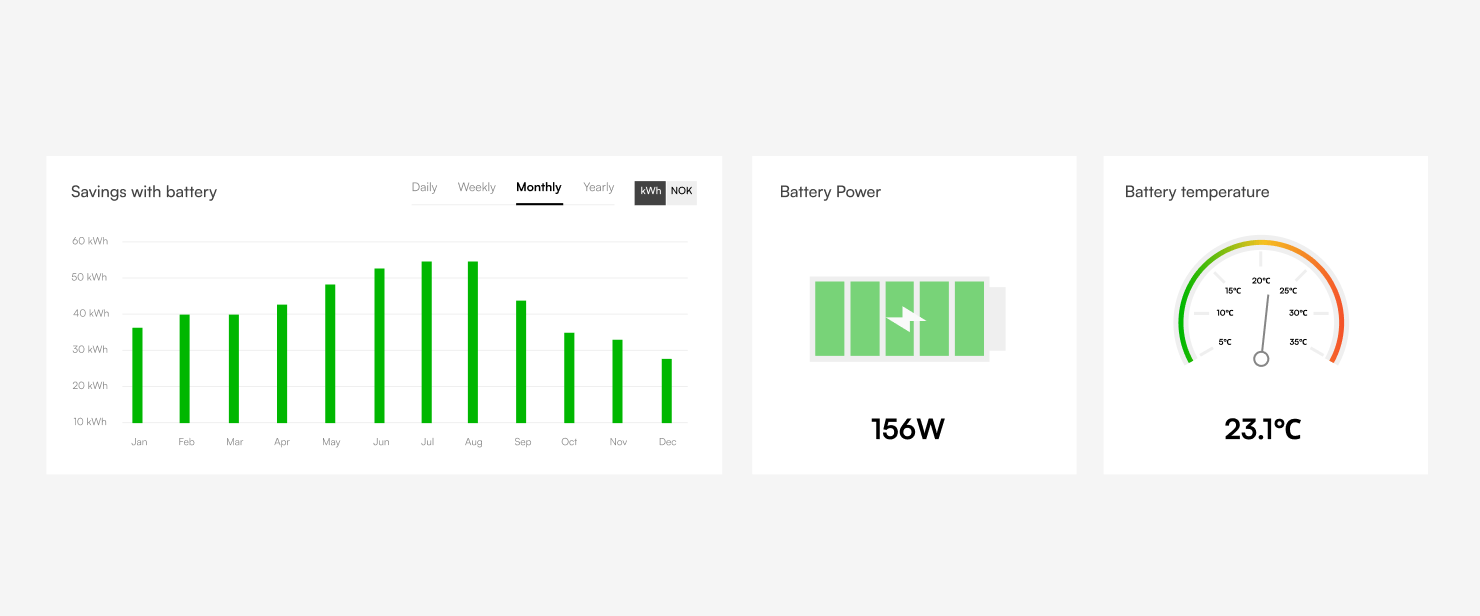
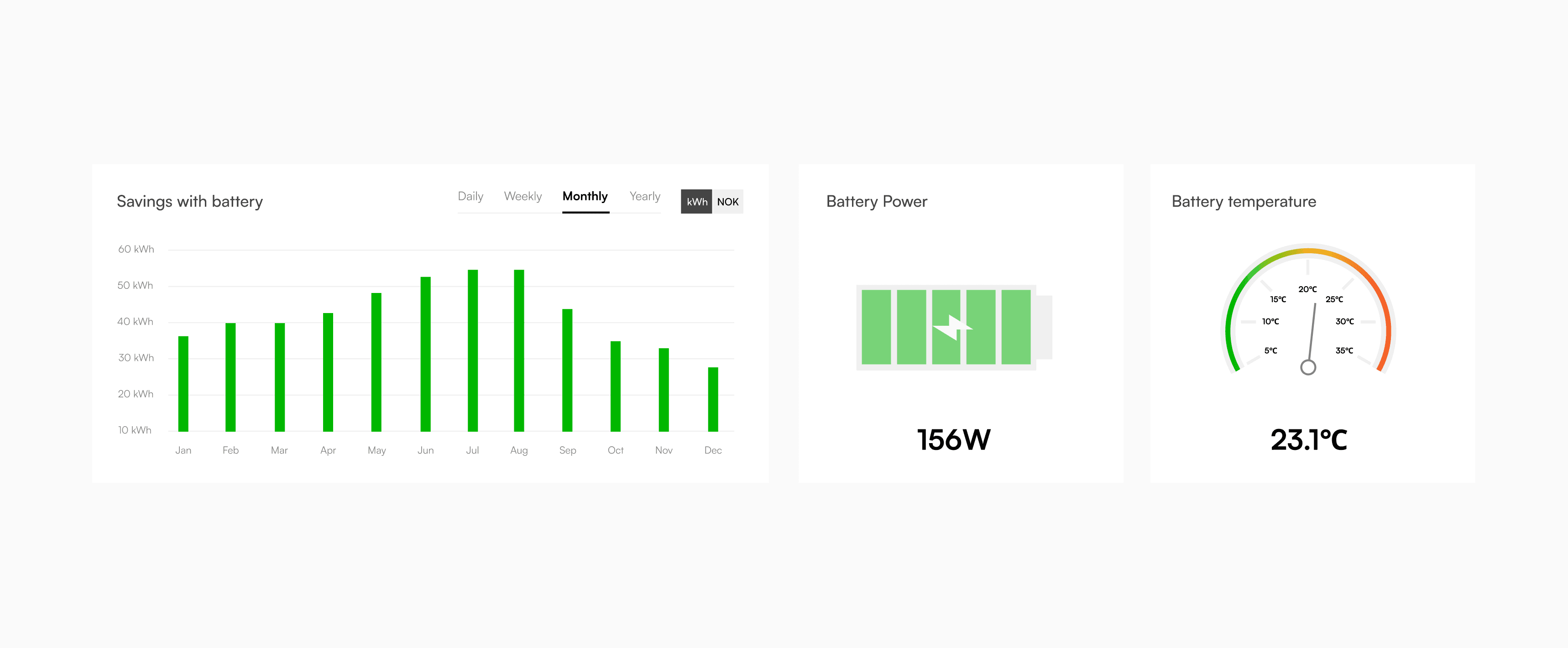
Battery management was underutilized. I added real-time monitoring, state of charge, savings, performance metrics, so users could see exactly what their system was doing and whether it was pulling its weight.
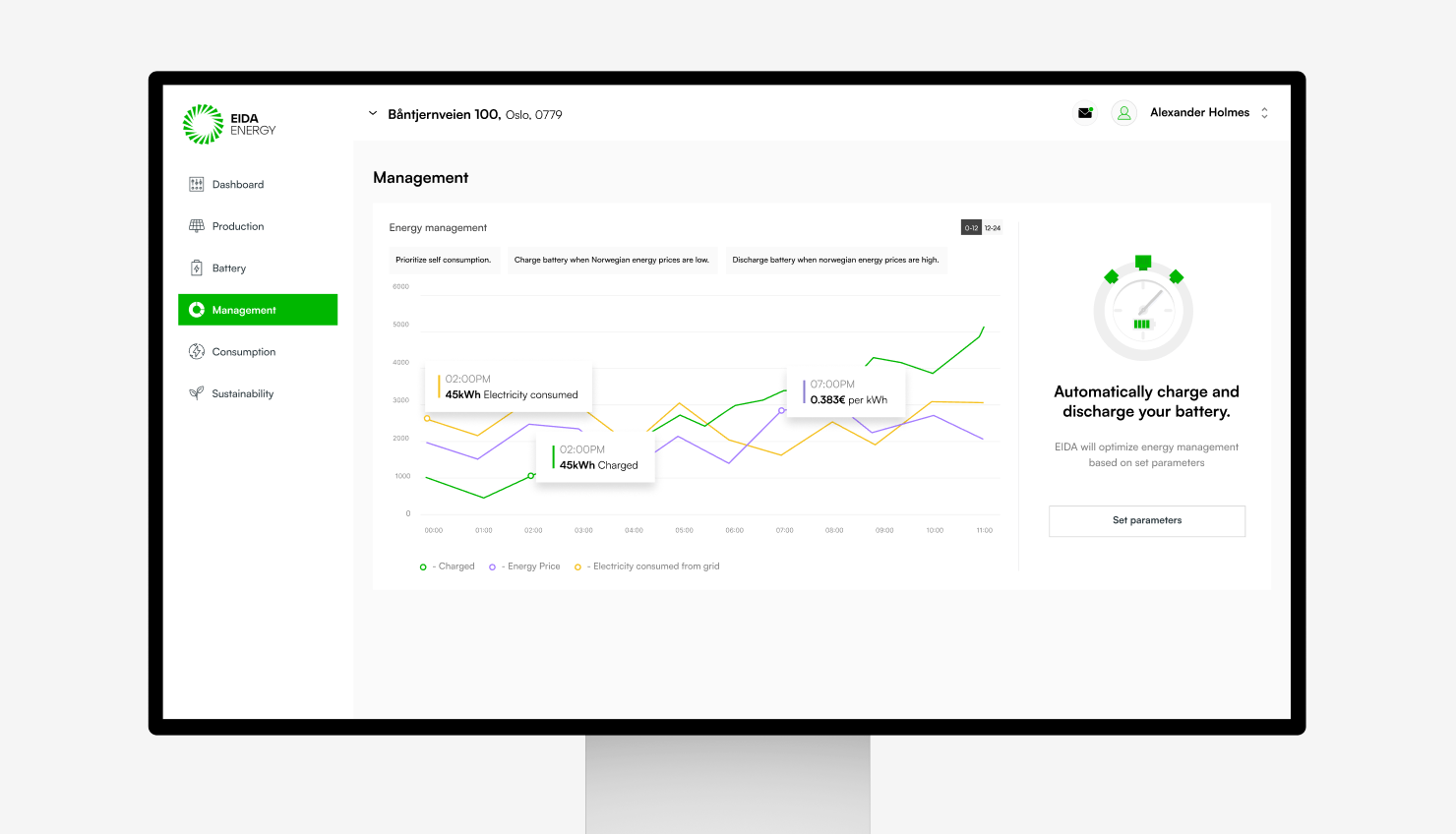
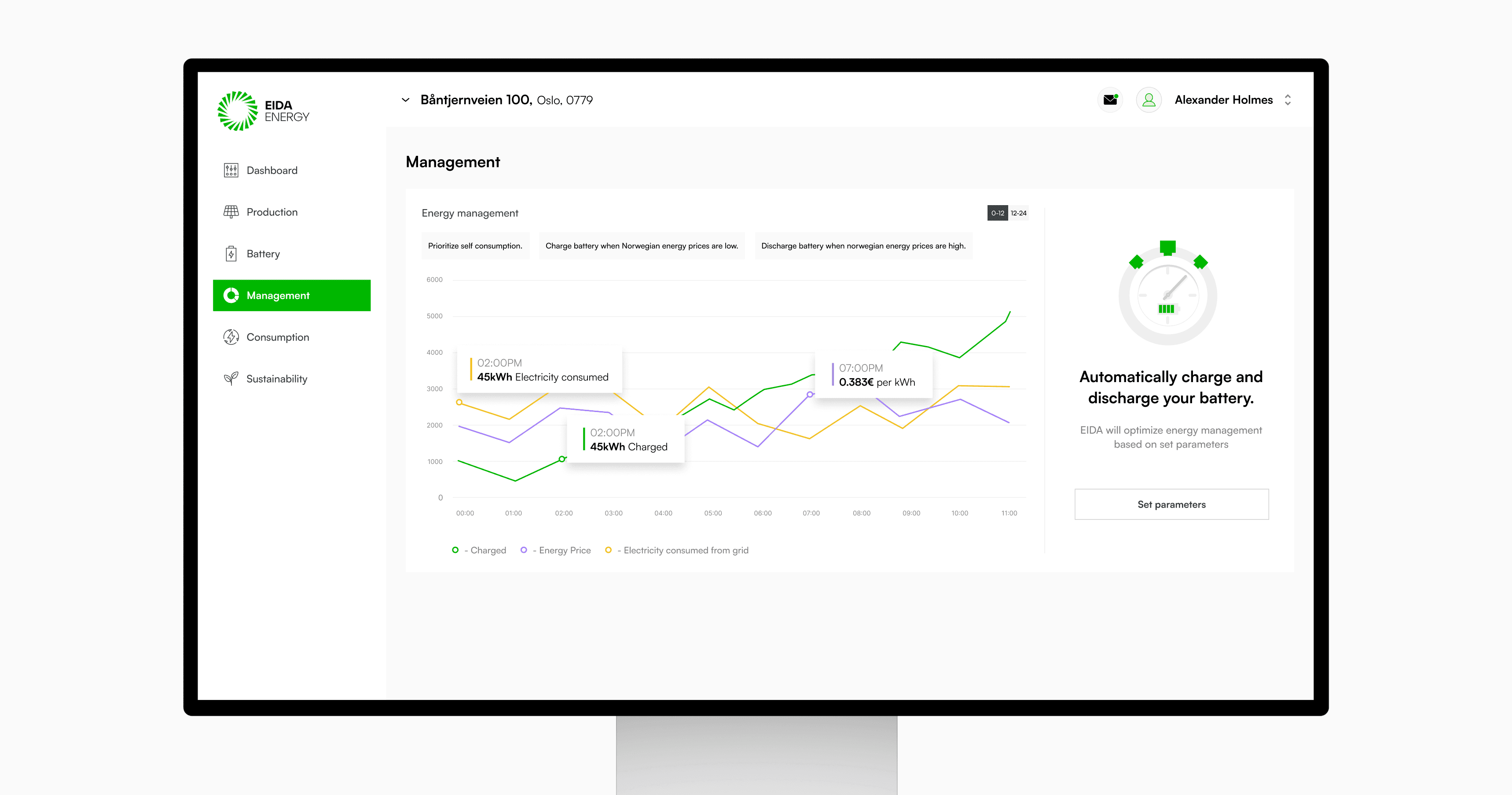
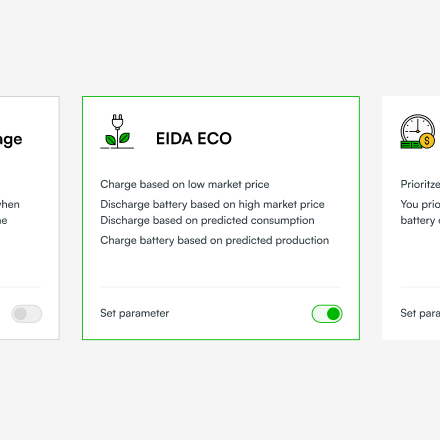
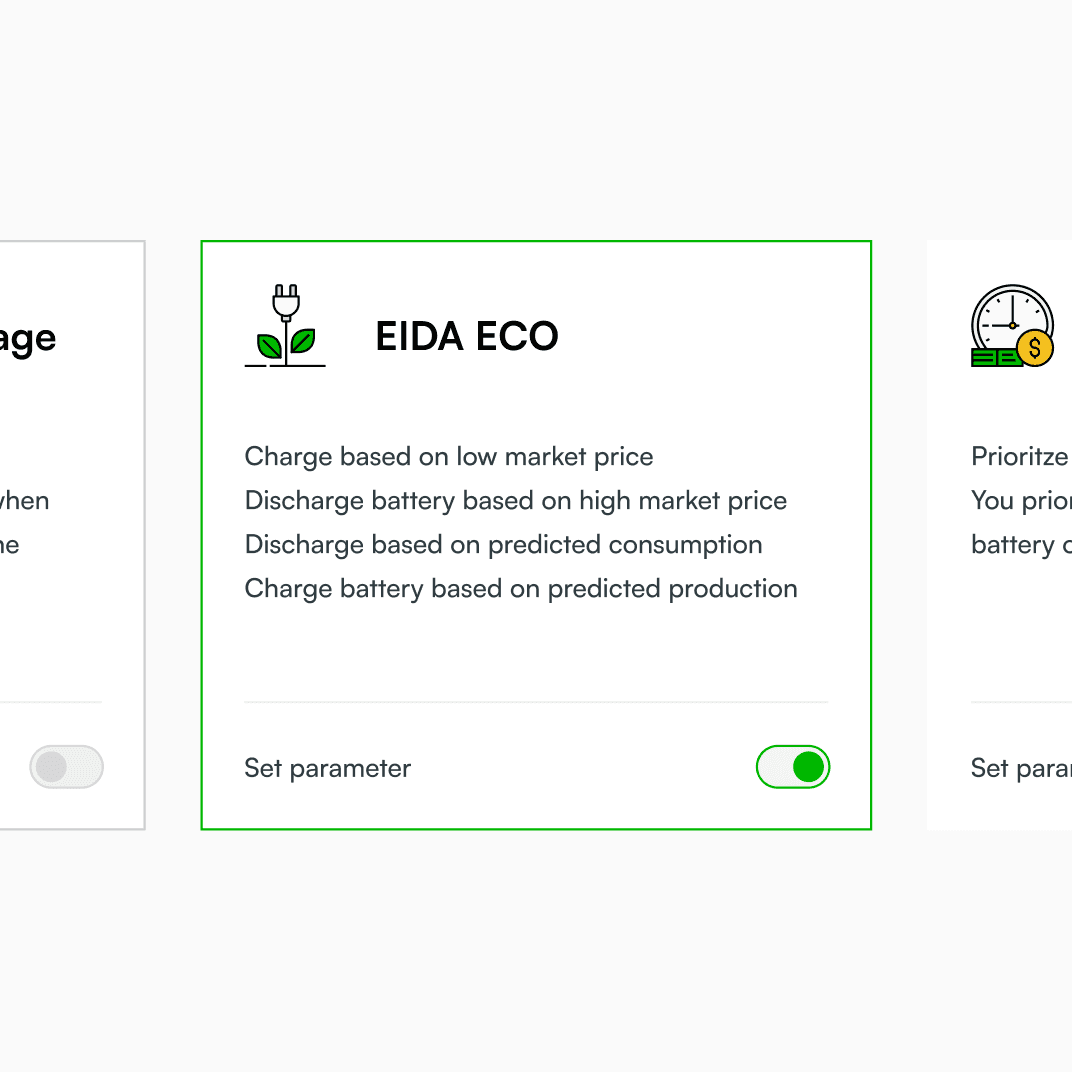
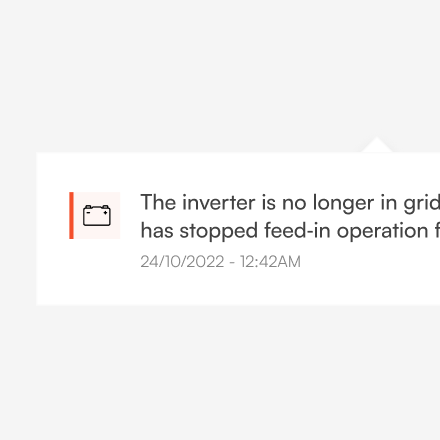
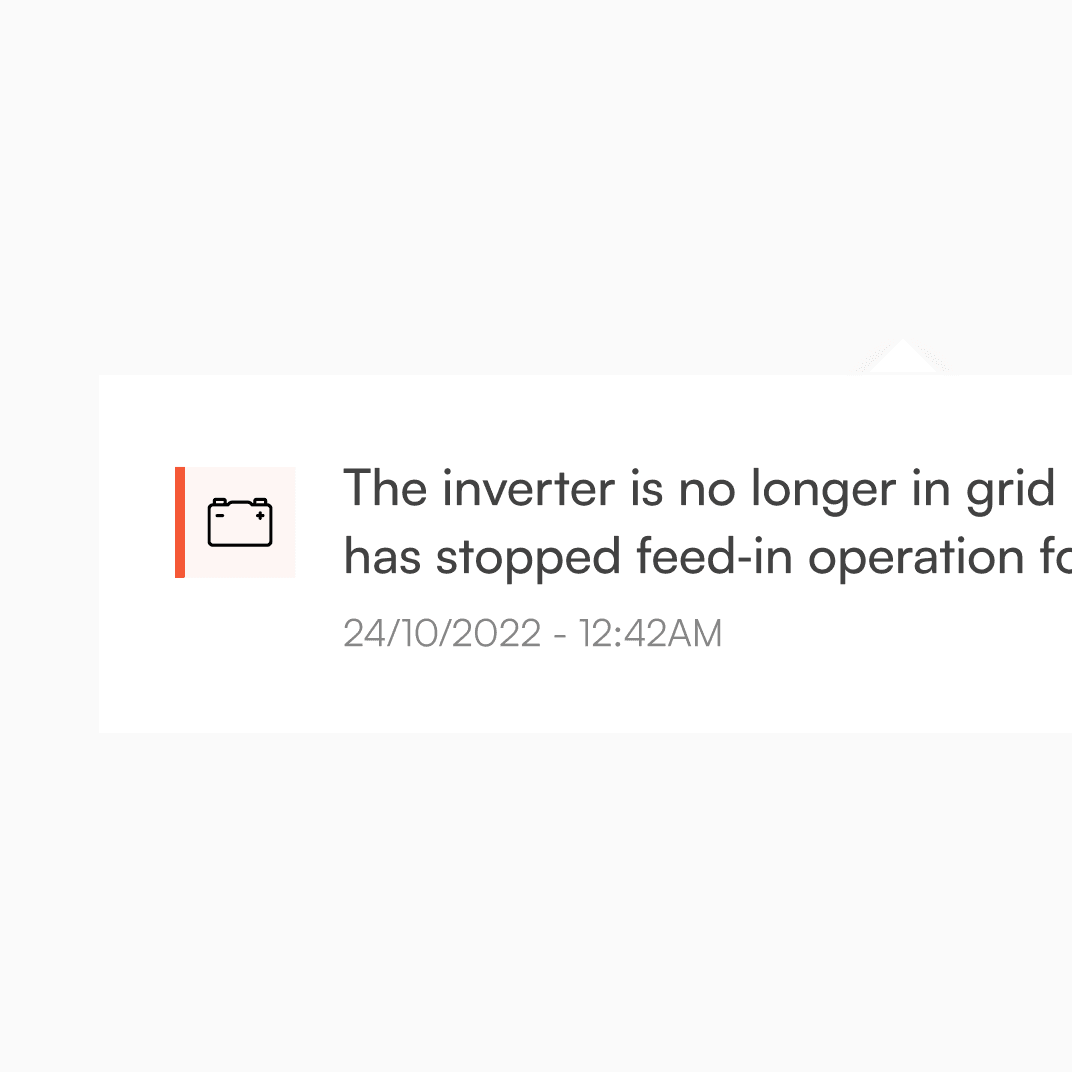
Users needed a way to set priorities and adjust their approach over time. I designed a customizable management section with the settings and analytics to make that possible.
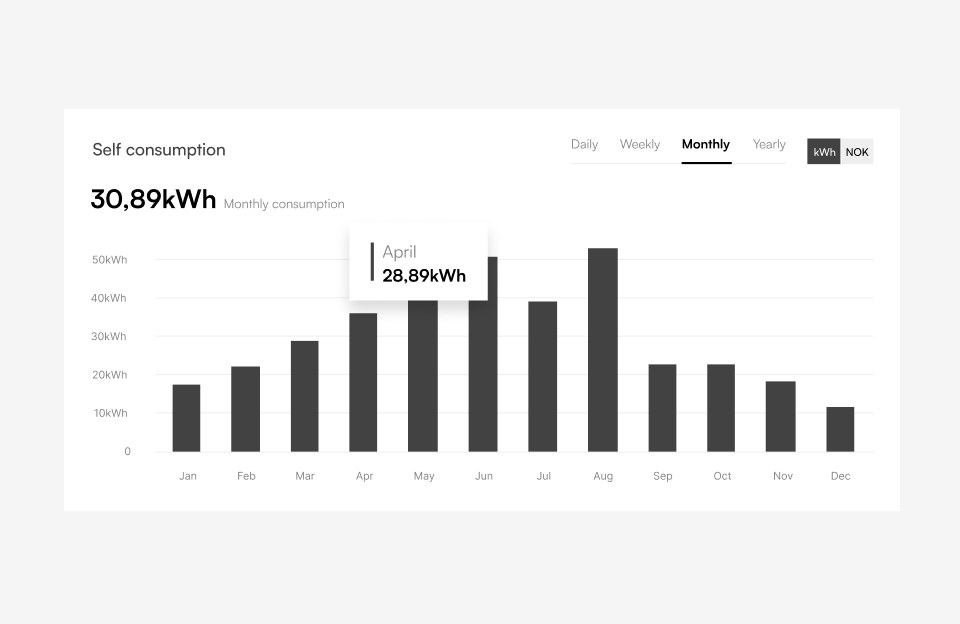
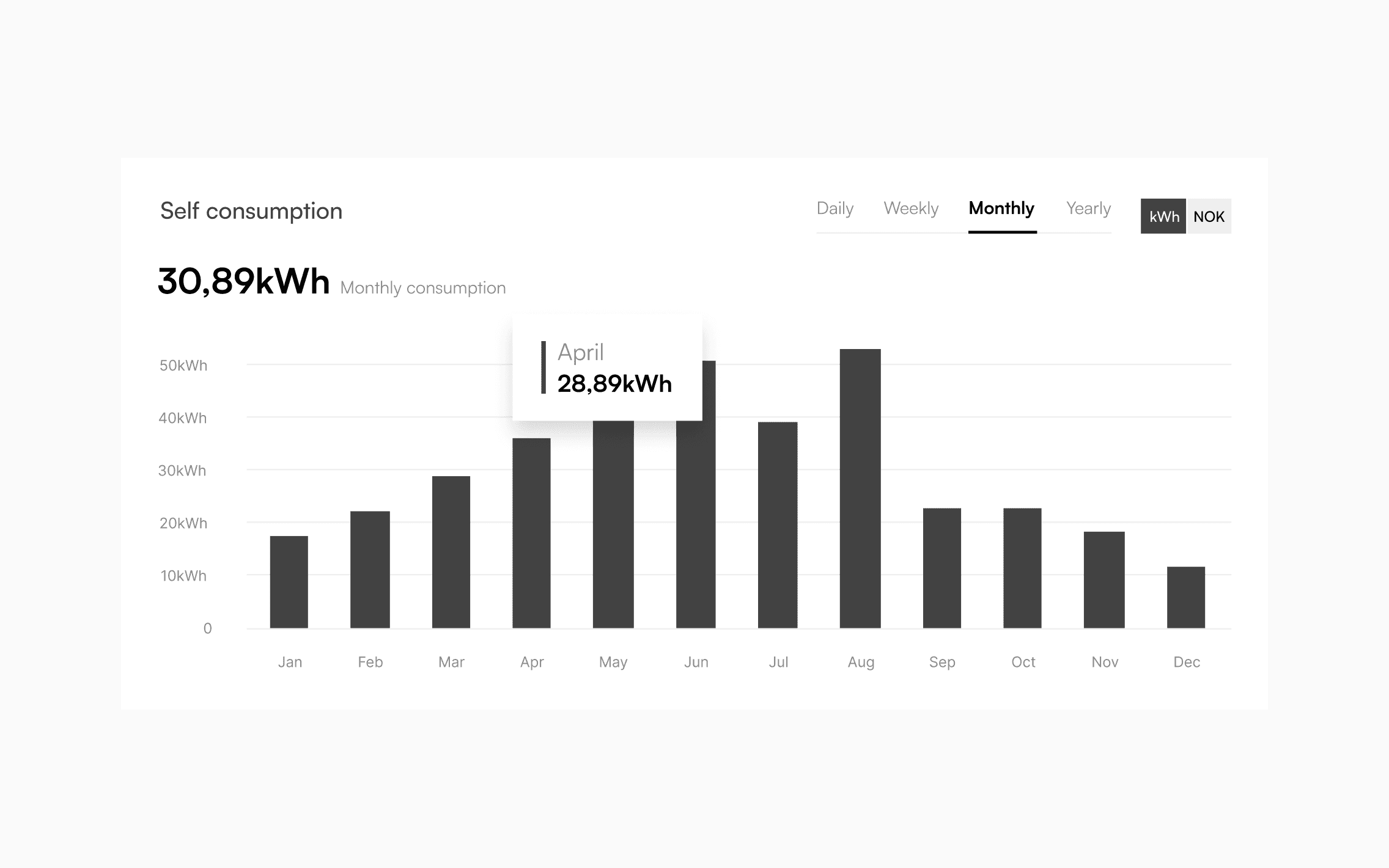
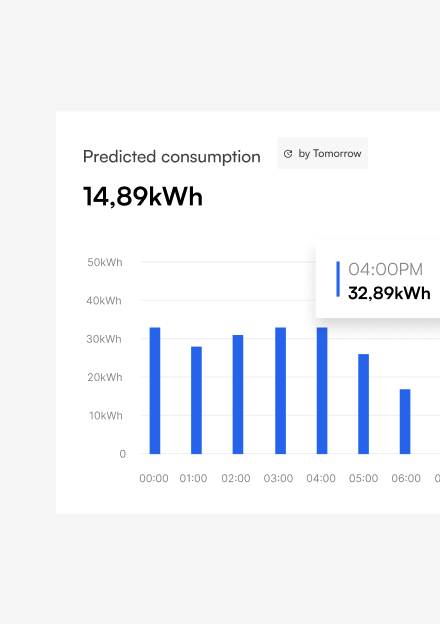
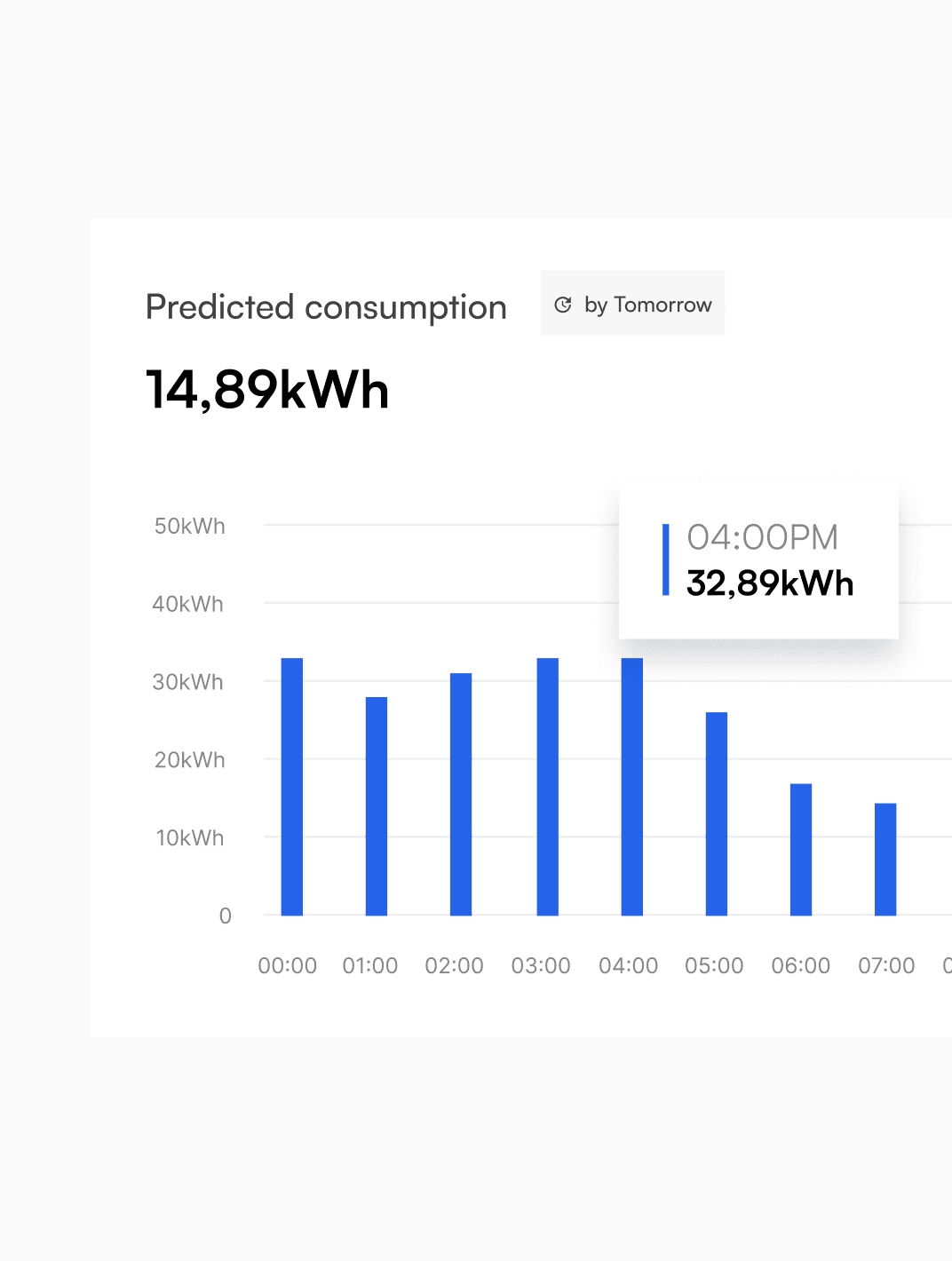
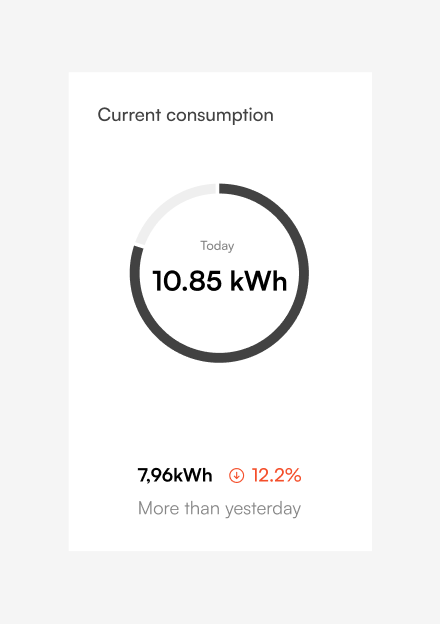
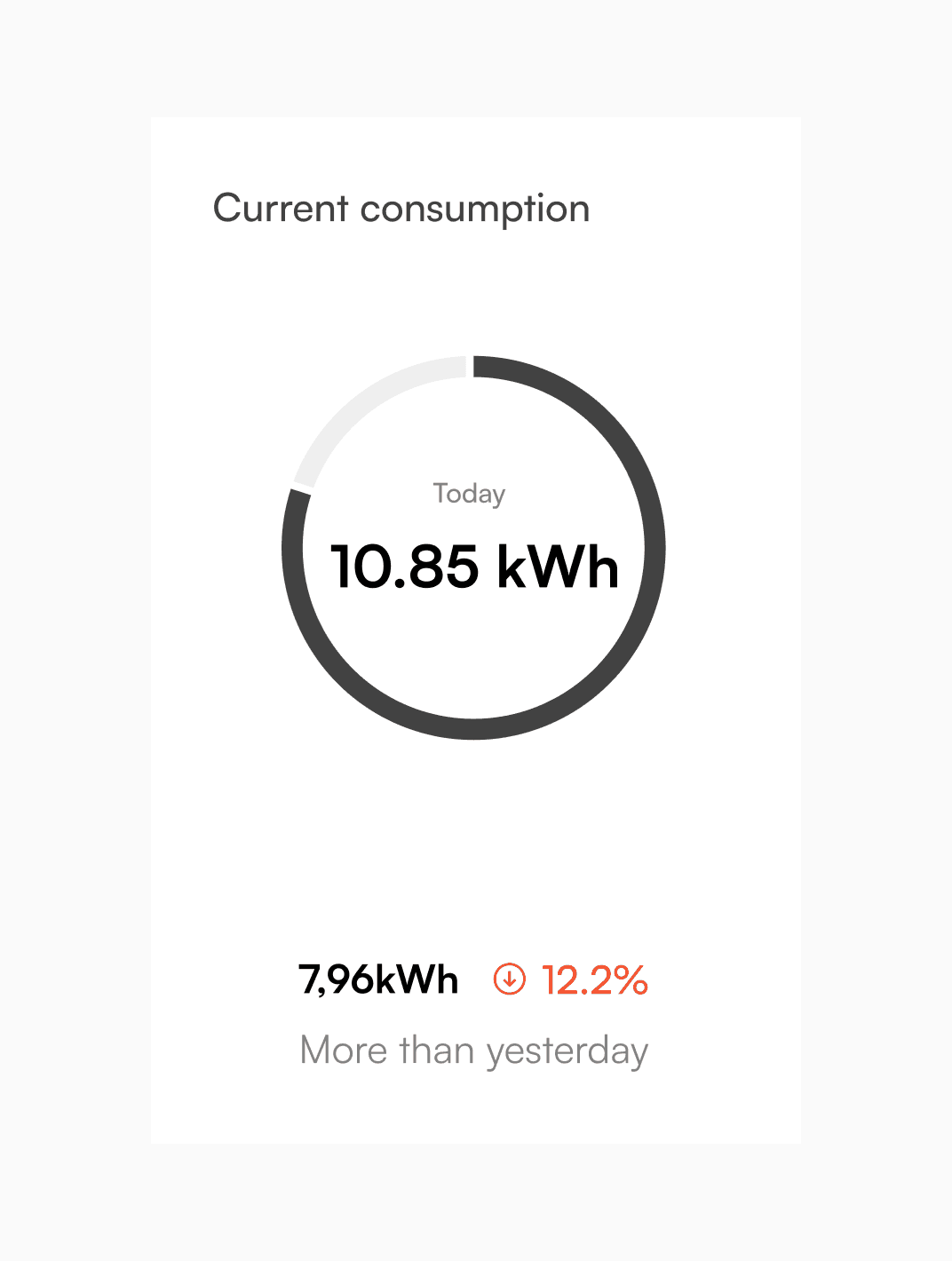
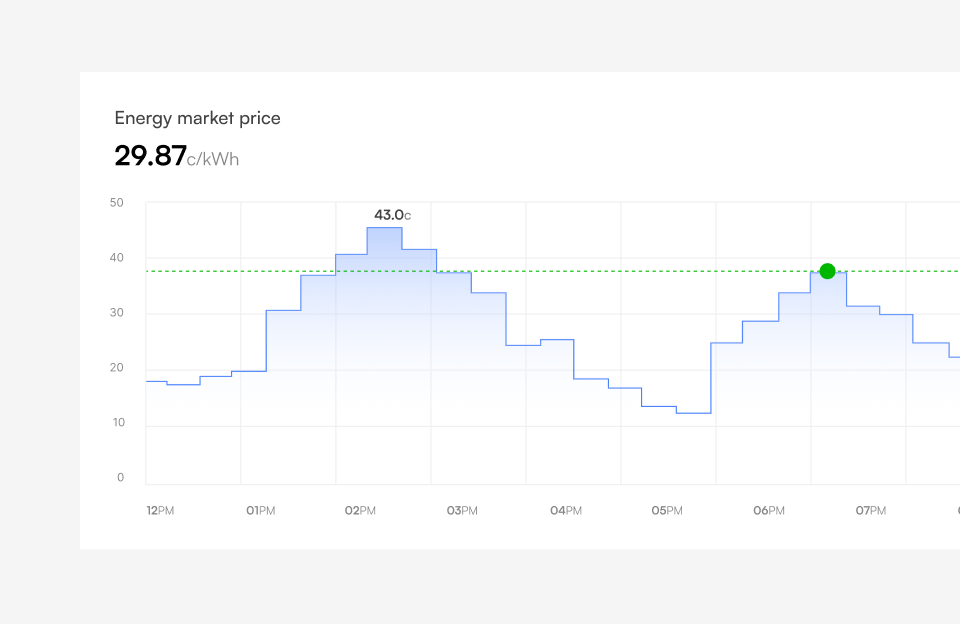
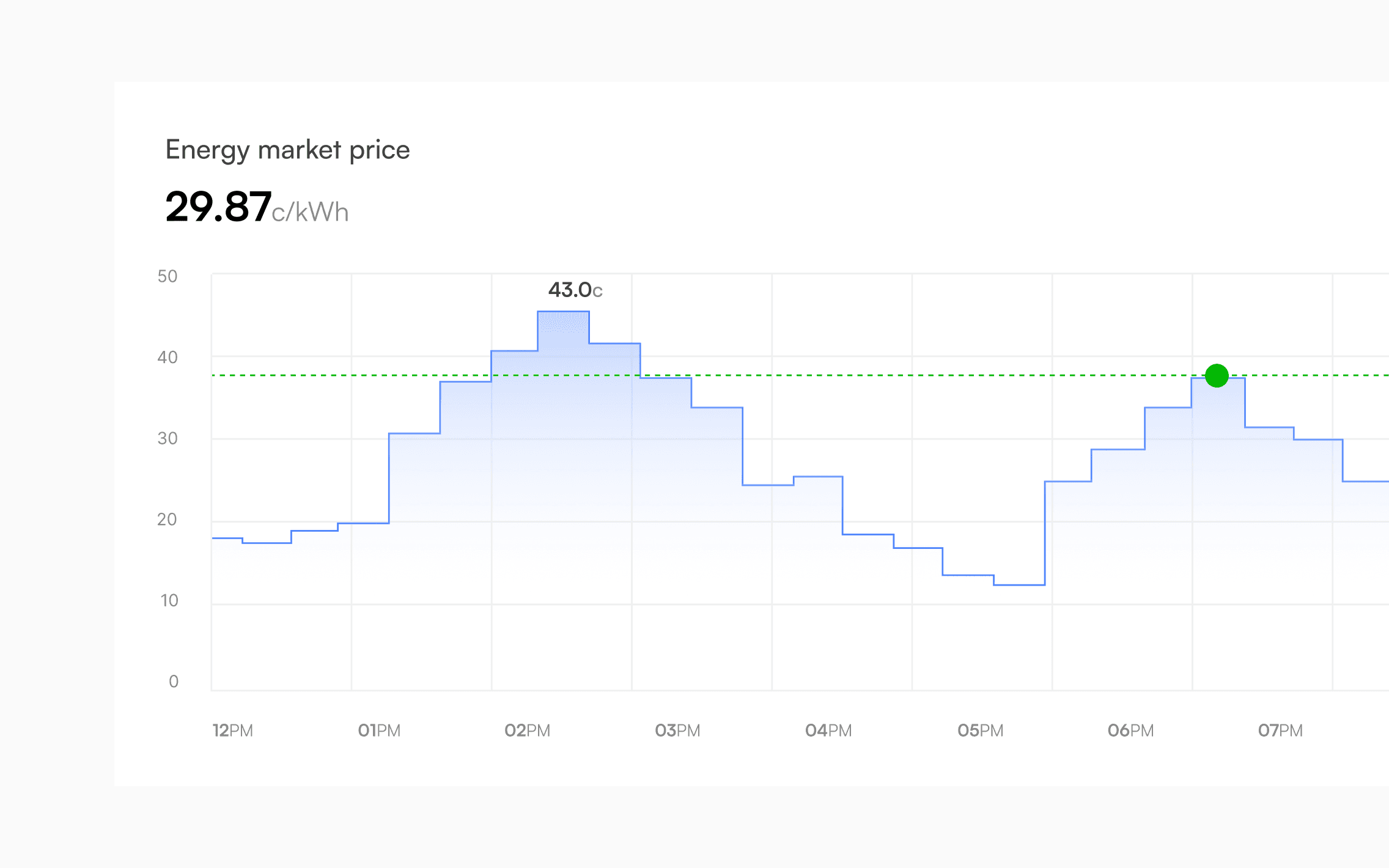
Energy prices move around a lot. I designed a consumption section with forecasting and price trend data so users could shift their habits around market conditions rather than just react to their bill after the fact.
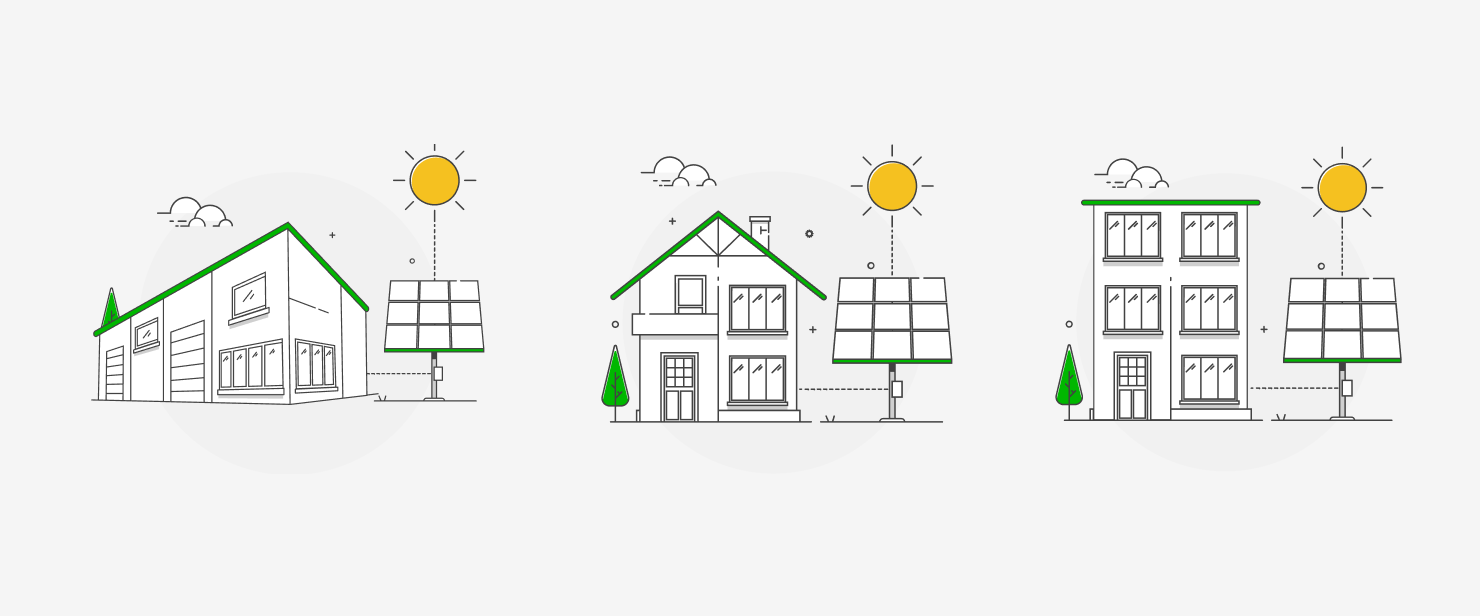
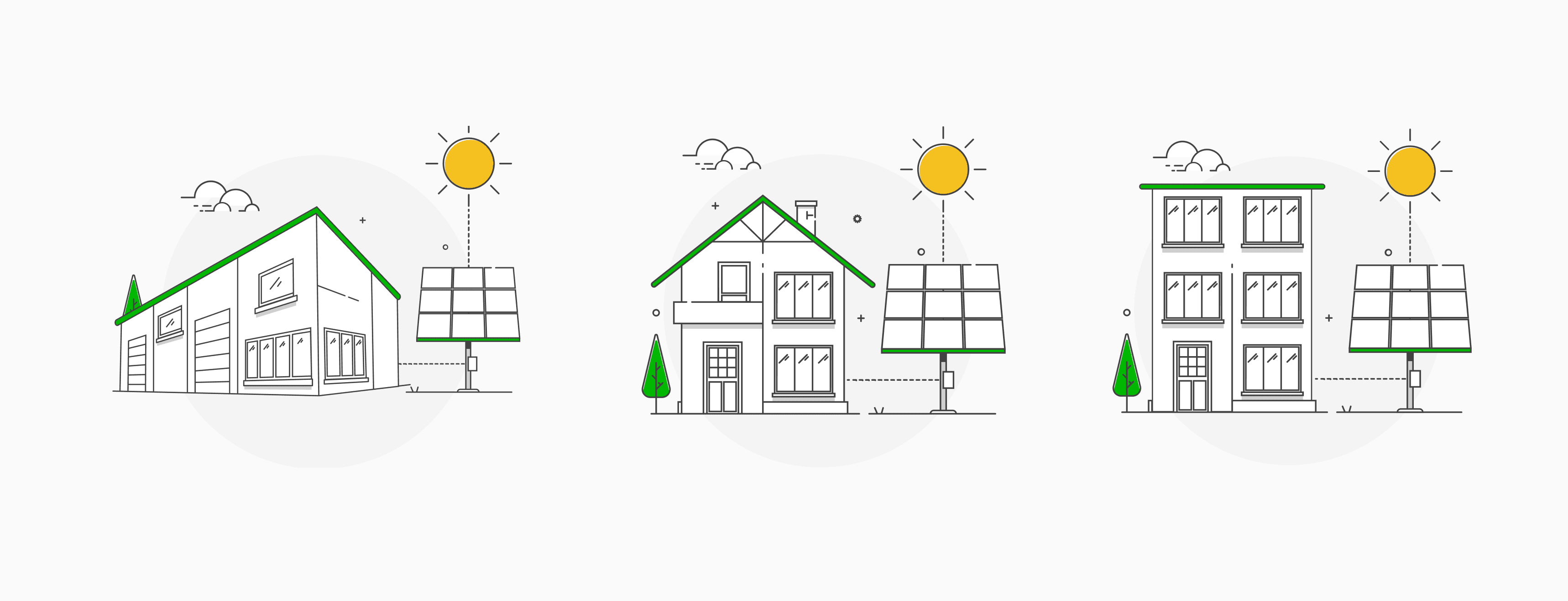
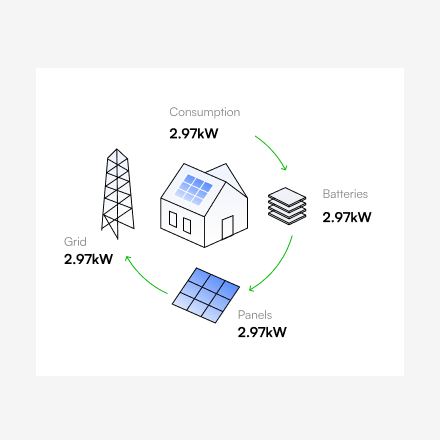
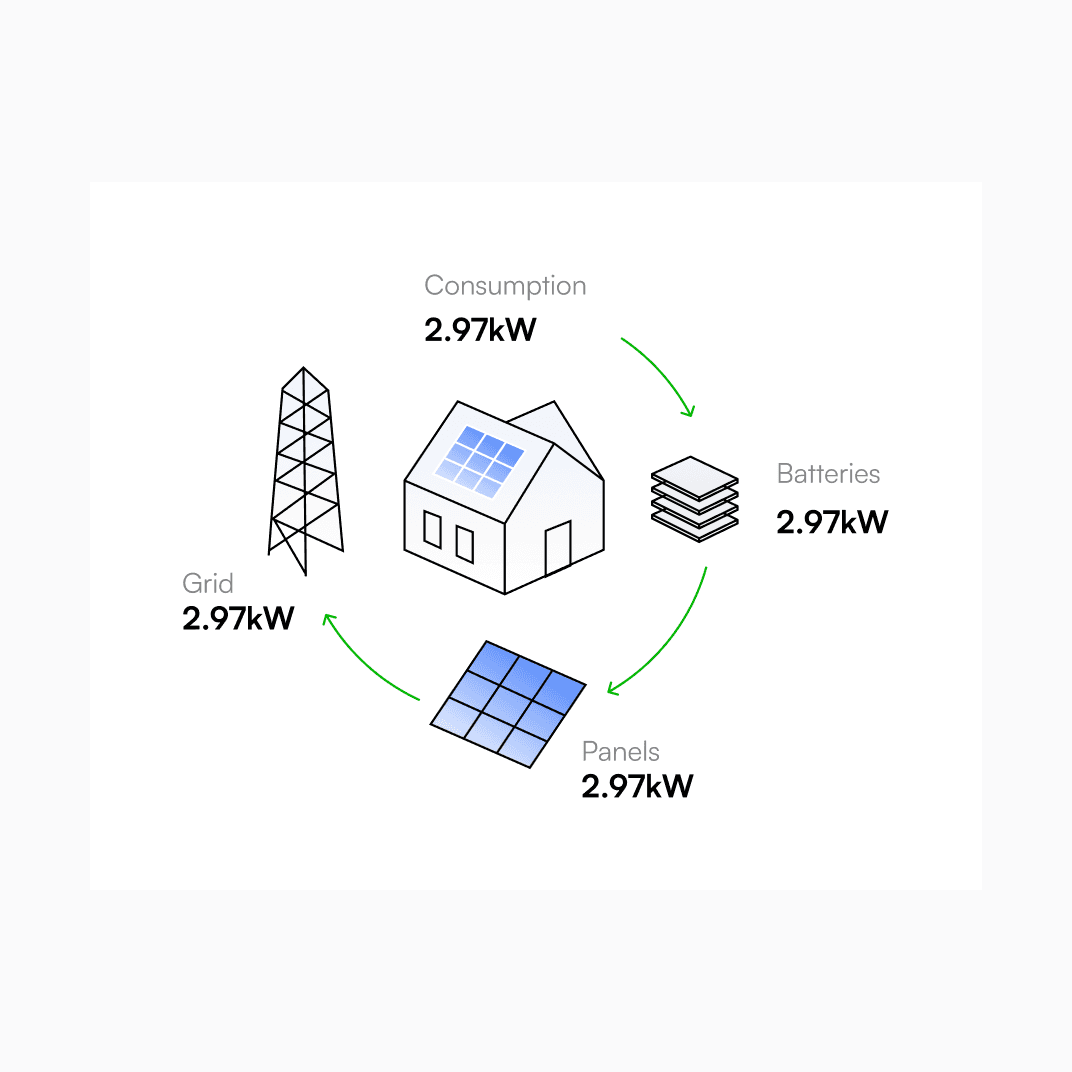
I designed the onboarding illustrations to match the brand but add some personality. They guide new users through the product while feeling like they actually belong in it.
Know the domain
Getting the design right required actually understanding the energy domain, not just applying a nice UI on top of complex data.
Start with a system
Starting with a styleguide paid off, it kept every screen feeling like part of the same product.
Usability over aesthetics
Usability drove every decision. A dashboard that looks good but confuses people isn't a dashboard.
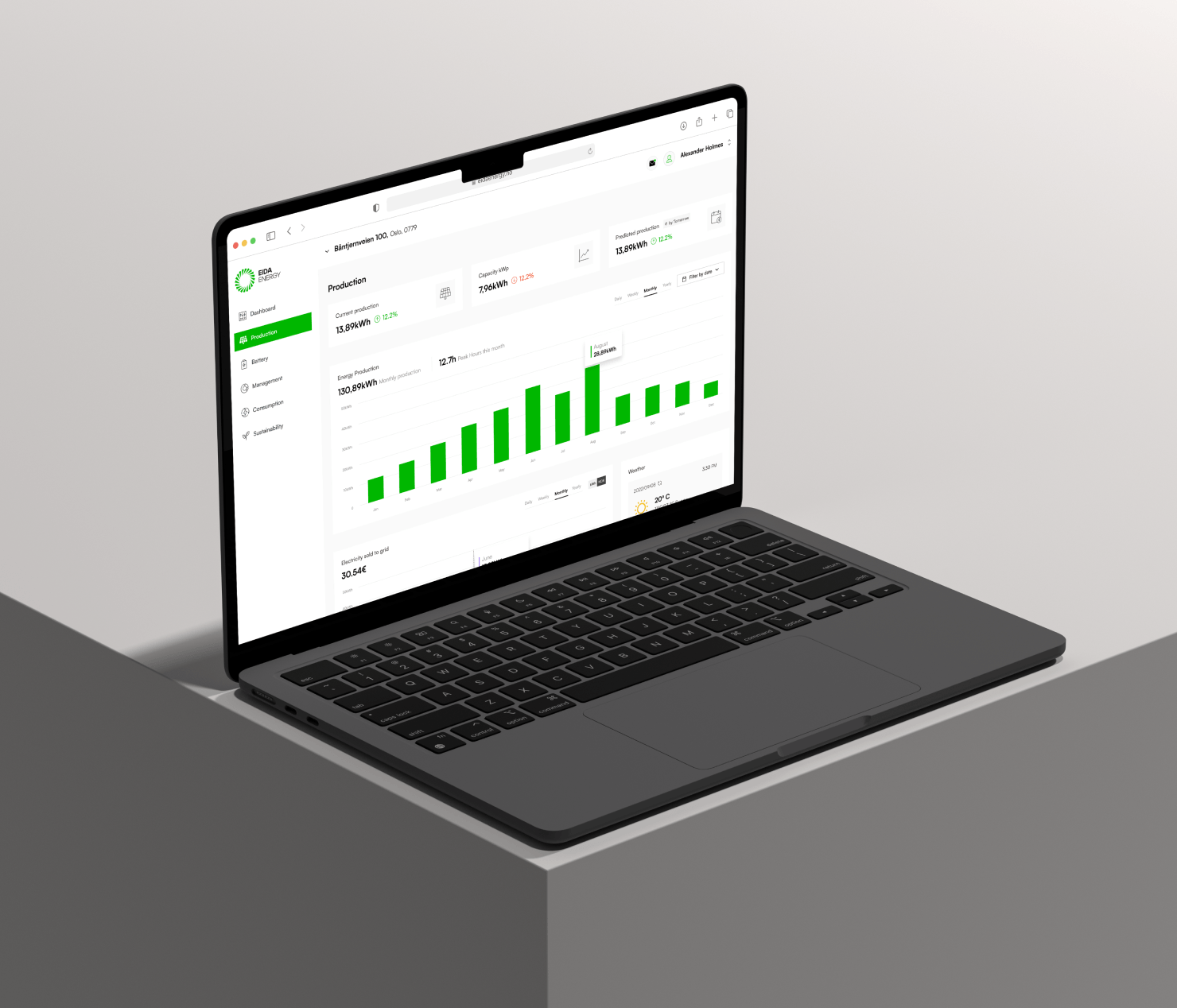
From the visual identity to the onboarding illustrations, every piece was about making energy data less overwhelming. Complex systems can have simple interfaces, that was the goal throughout.